Fremantle Council Defies Electors' No-Confidence Vote, Opts to Continue Operations
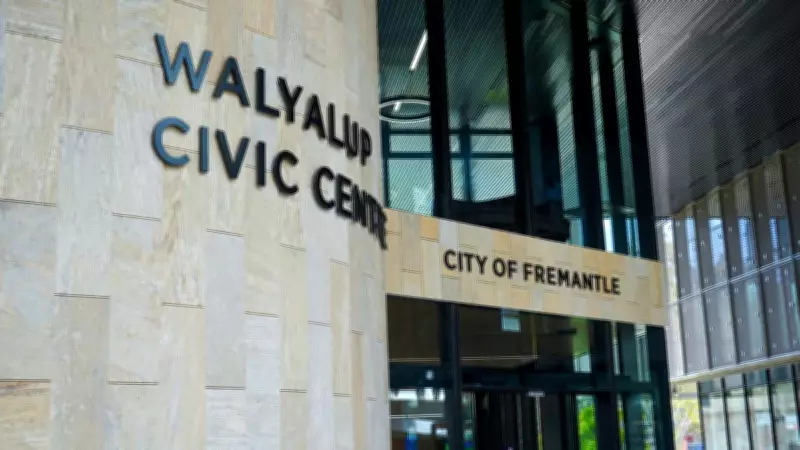
The City of Fremantle has made a controversial decision to take no action and move forward, despite facing a damning vote of no confidence from its electors. This move has ignited significant discussion and scrutiny within the local community and beyond, raising questions about accountability and responsiveness in local governance.
Background of the No-Confidence Vote
The vote of no confidence was cast by electors in Fremantle, reflecting widespread dissatisfaction with the council's recent performance and policies. This formal expression of disapproval is a rare and serious event in local politics, typically signaling a deep rift between elected officials and the constituents they serve. The electors' decision underscores growing concerns over issues such as urban development, public services, and fiscal management in the Fremantle area.
Council's Response and Decision
In response to the vote, the Fremantle Council has chosen to ignore the electors' verdict and proceed with business as usual. Council members have stated that they believe continuing their current course is in the best interest of the city, citing ongoing projects and long-term strategic plans. This stance has been met with mixed reactions, with some supporting the council's resilience and others criticizing it as a disregard for democratic feedback.

Key points from the council's announcement include:
- A commitment to maintaining existing policies and initiatives without interruption.
- An emphasis on focusing on future goals rather than dwelling on past criticisms.
- A call for unity and collaboration among residents to address community challenges.
Implications for Local Governance
This situation highlights broader issues in local government dynamics, particularly the balance between elected authority and public opinion. By choosing to move on without addressing the no-confidence vote, the Fremantle Council sets a precedent that could influence how other councils handle similar disputes. It raises important questions about the mechanisms for holding local officials accountable and the effectiveness of electoral feedback in shaping policy decisions.
Experts in political science suggest that such actions may lead to increased voter apathy or heightened activism, depending on how the community responds in the coming months.
Community Reactions and Future Outlook
Reactions from the Fremantle community have been polarized. Some residents express frustration, arguing that the council's decision undermines democratic principles and ignores their voices. Others, however, support the move, believing that stability and continuity are crucial for addressing pressing local issues like infrastructure and economic development.
Looking ahead, the Fremantle Council plans to proceed with scheduled meetings and projects, while electors may consider further actions, such as petitions or future electoral challenges. This ongoing tension is likely to shape the political landscape in Fremantle, with potential impacts on upcoming local elections and policy debates.
In summary, the City of Fremantle's choice to take no action despite a damning vote of no confidence from electors marks a significant moment in local governance, sparking debate over accountability, democracy, and the future direction of the city.