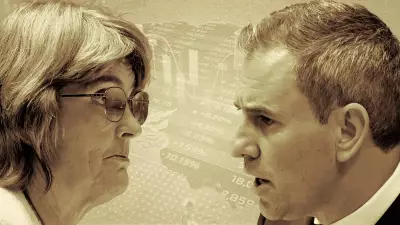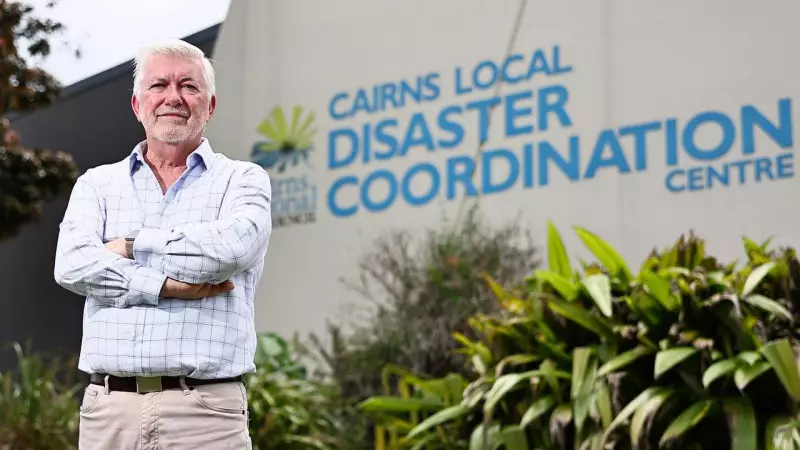
Cairns Mayor Terry James has ignited a political firestorm after it was revealed he chose to lead the city's crucial disaster management group from an overseas location during a significant cyclone alert. The decision has been labelled "ludicrous" and "tone-deaf" by furious local state members of parliament, who argue leadership in a crisis must be hands-on and local.
A Controversial Decision from Abroad
The controversy erupted as a tropical low, which later developed into Cyclone Kirrily, threatened the Far North Queensland coast in late January. While the Cairns Local Disaster Management Group (LDMG) was activated to coordinate the regional response, its chairman, Mayor Terry James, was not physically present in the city. Instead, he participated in meetings remotely from an undisclosed location overseas.
This arrangement did not sit well with local MPs. Barron River MP Craig Crawford did not mince words, calling the situation "ludicrous." He emphasised that during a disaster, the community expects and deserves visible, on-the-ground leadership. Similarly, Cairns MP Michael Healy expressed his disbelief, stating the mayor's primary duty was to be with his constituents facing a potential natural disaster. He described the choice to remain overseas as "the wrong decision."

Defence and Mounting Criticism
In his defence, Mayor James asserted that his physical location did not hinder the group's effectiveness. He stated that technology allowed him to fulfil his duties and that the LDMG operated smoothly under the guidance of experienced deputy chairpersons and council staff who were on site. The Mayor's office confirmed he was returning to Australia earlier than initially planned due to the weather event.
However, the explanation failed to quell the anger. Cook MP Cynthia Lui joined the criticism, labelling the mayor's actions as "tone-deaf." She argued that in a region frequently battered by cyclones and floods, leaders must embody resilience and solidarity by being present. The MPs' collective concern centred on public perception and trust, worrying that the mayor's absence could undermine community confidence during a stressful and dangerous period.
Broader Implications for Leadership and Trust
The incident raises significant questions about the nature of modern leadership during emergencies. While digital tools offer unprecedented connectivity, the MPs' backlash highlights a strong belief that crisis management requires a physical, tangible presence. The community, they argue, needs to see its leaders sharing the risk and demonstrating commitment firsthand.
This episode is likely to have lasting political repercussions for Mayor James. It strikes at the core of a local leader's relationship with their community, especially in a disaster-prone region like Far North Queensland. The criticism from members of his own level of government, though from different political arenas, signals a severe rupture in the collaborative front expected during crises.
The fallout serves as a stark reminder that in the age of remote work, certain roles—particularly those involving public safety and emergency stewardship—still demand the traditional, unwavering principle of being there when it matters most. The community's expectation, as voiced loudly through its elected state representatives, is clear: leadership is not just about directing operations; it's about standing with the people you serve.