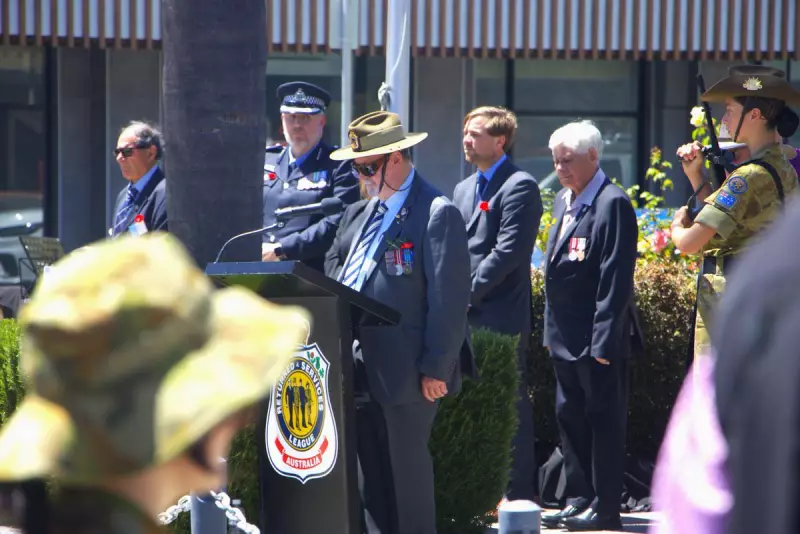
In a significant opinion piece, former veterans affairs minister Peter Tinley has issued a compelling call for the Returned and Services League (RSL) to undergo substantial practical reforms. Tinley argues that the organisation must evolve to effectively meet the unique challenges and requirements faced by today's generation of Australian veterans and their families.
The Need for a Modernised Approach
Tinley emphasises that the traditional structures and methods of the RSL, while historically valuable, are increasingly out of step with contemporary needs. He highlights that modern veterans, including those from recent conflicts and peacekeeping missions, often encounter different psychological, social, and economic issues compared to previous generations. These include higher rates of mental health conditions, such as PTSD, and difficulties transitioning to civilian life in a rapidly changing economy.
Key Areas for Practical Change
The proposed reforms focus on several critical areas where practical adjustments could make a substantial difference:

- Enhanced Mental Health Support: Developing more accessible and tailored mental health services that address the specific traumas and stresses experienced by contemporary service personnel.
- Improved Transition Programs: Creating robust pathways to assist veterans in securing meaningful employment and integrating into community life after their military service.
- Greater Inclusivity: Ensuring the RSL better represents and supports the diverse backgrounds of modern veterans, including women, Indigenous personnel, and those from multicultural communities.
- Digital Engagement: Leveraging technology to provide remote support, online resources, and virtual communities for veterans who may be geographically isolated or prefer digital interactions.
Building a Sustainable Future
Tinley stresses that these changes are not about discarding the RSL's proud legacy but about building on it to ensure the organisation remains relevant and effective. He points out that without such practical reforms, the RSL risks becoming increasingly disconnected from the very people it aims to serve, potentially undermining its ability to advocate for veterans' rights and welfare at both state and federal levels.
Furthermore, Tinley calls for collaborative efforts between the RSL, government agencies, and community organisations to implement these reforms. He believes that a renewed, modernised RSL could play a pivotal role in enhancing the overall wellbeing of Australia's veteran community, fostering resilience, and strengthening national recognition of their service and sacrifices.
The Path Forward
The opinion piece concludes with a hopeful yet urgent tone, urging current RSL leadership and members to embrace change proactively. Tinley's vision is for a revitalised organisation that not only honours past traditions but also adapts to the realities of modern military service, ensuring that every veteran receives the practical support and respect they deserve in today's Australia.