Australia Announces Massive Defence Spending Increase
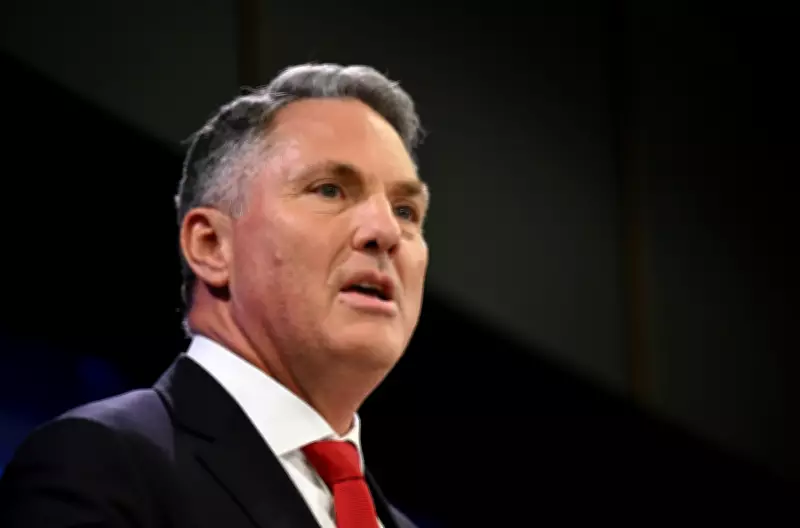
Australia is set to pour tens of billions of dollars into high-tech weapons as part of a contentious update to the nation's defence strategy. Defence Minister Richard Marles has issued a stark warning, stating that the country now faces threats more serious than anything witnessed in the last eight decades.
Marles unveiled the comprehensive plan on Thursday before an audience of military and diplomatic heavyweights, outlining a disturbing assessment of the dangers confronting Australia. "We may be at the foothills of a new nuclear arms race," he cautioned, citing just one example of the escalating global threats that have prompted this strategic shift.
Historic Defence Investment
The government will inject an additional $14 billion into defence over the next four years, with total spending reaching $53 billion over the coming decade. This represents the most significant peacetime increase in defence spending in Australia's history.

Australia's military spending will climb from 2.8 per cent to 3 per cent of the nation's economic output. While this falls short of the 3.5 per cent demanded by former US President Donald Trump's administration, it exceeds defence spending by key allies including the United Kingdom, France and Canada.
"No matter which way you cut it, it is the biggest peacetime increase in defence spending in our nation's history," Marles declared during the announcement.
Strategic Priorities and Concerns
Among the new spending priorities are Australia's uncrewed Ghost Bat aircraft and Ghost Shark submarine programs, reflecting the growing importance of attack drones in modern warfare. The government will also double funding for missile defence systems.
Former Land Forces Commander Retired Major General Gus McLachlan expressed concern about current capabilities, stating: "The people of Australia would expect that we can defend ourselves from any incoming missiles, and let me tell you at the moment, we simply cannot."
Shadow Defence Minister James Paterson echoed these concerns, noting: "We are now living in an age of missiles and drones. It's clear that even the government recognises Australia is not adequately prepared for that era."
Geopolitical Context and Alliances
The government made clear on Thursday that it continues to prize Australia's main security alliance with the United States, while simultaneously identifying the major military threat as coming from China, Australia's biggest trade partner.
Marles highlighted the deepening strategic partnership between China and Russia as a particular concern in the current geopolitical landscape.
Despite the ongoing cost-of-living crisis affecting many Australians, the government has committed to this substantial defence investment. Mike Hughes from the Australian Strategic Policy Institute commented: "We're in the midst of a cost-of-living crisis, so for them to be able to do this does reflect a serious commitment on their part."
This historic defence spending boost comes as Australia positions itself to address what Marles described as the most serious security challenges the nation has faced since World War II, marking a pivotal moment in the country's defence policy and military preparedness.