A Victorian bacon farmer accused of sexually assaulting a pig has been cleared of all charges after a magistrate ruled that crucial evidence in the case was obtained through illegal means. The controversial decision has sparked debate about vigilante activism and police procedures in animal cruelty investigations.
Case Details and Allegations
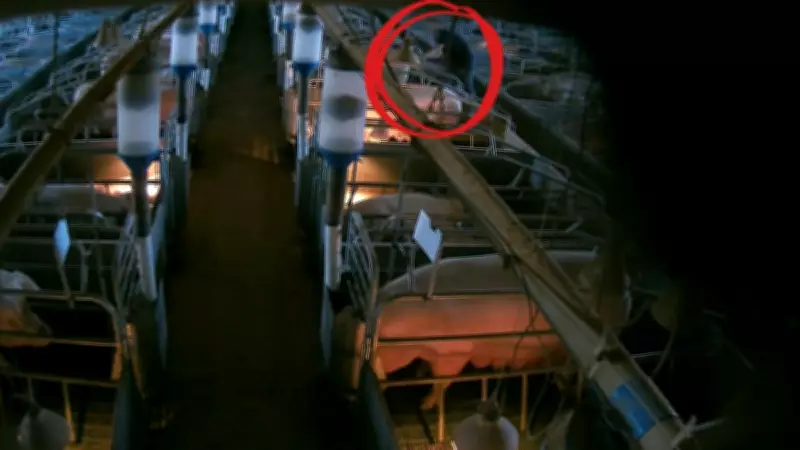
Bradley O'Reilly, a 32-year-old farmer from northern Victoria, faced a single charge of bestiality following disturbing allegations that he sexually assaulted a sow at the Midland Bacon pig farm in Carag Carag. The accusations stemmed from footage captured in February 2024 that allegedly showed Mr O'Reilly engaging in sexual acts with a pig identified as Sow No. 8416.
The video evidence was obtained by the Farm Transparency Project, an animal rights activist group that had installed secret surveillance cameras on the property. The organisation, which later named the sow Olivia, claimed they were investigating potential animal abuse when they captured the footage.

Legal Ruling on Evidence Admissibility
In a significant legal development, Magistrate Williams acquitted Mr O'Reilly last week after determining that the method used to obtain the video evidence violated legal standards. The magistrate emphasised that while the activists' concerns about animal welfare might be understandable, their approach constituted illegal vigilantism.
"Vigilantism, even for laudable reasons, cannot and should not be encouraged," Magistrate Williams stated in the ruling. The court determined that because the surveillance footage was obtained illegally, it could not be admitted as evidence against the accused farmer.
Police Conduct Under Scrutiny
The case took another dramatic turn when Magistrate Williams criticised Victoria Police's handling of the investigation, describing their approach as "recklessly deceptive" and "plainly improper." The court heard that officers attempted to deceive Mr O'Reilly during a secretly recorded 24-minute interview while he was in custody.
During the recording, which Mr O'Reilly allegedly didn't know was taking place, officers told him: "We're not about punishing you or trying to embarrass you or anything like that, Bradley... we're here to help you." They added: "You can be honest with us about what's going on... because that's the only way we can help you."
Police later claimed Mr O'Reilly had confessed to the allegations, but only after they had stopped recording the conversation. The court also heard that the farmer was not offered his right to legal representation before the interview began, and that officers led him to believe he wouldn't face charges if he cooperated with them.
Magistrate's Strong Criticism
Magistrate Williams told the court the recorded conversation was "deliberately misleading," noting that officers implied Mr O'Reilly wouldn't be charged despite assuming a bestiality charge was likely. The magistrate expressed serious concerns about the methods used to obtain evidence in the case.
"The obtaining of a conviction on the basis of that evidence is bought at a price which is unacceptable having regard to contemporary standards," Magistrate Williams declared. "Accordingly, I'd also refuse the record of interview."
Broader Implications and Reactions
The acquittal has raised important questions about:
- The boundaries of activist investigations and evidence collection
- Police interrogation techniques and ethical standards
- Legal protections for individuals accused of serious offences
- Animal welfare monitoring on agricultural properties
While animal rights groups have expressed disappointment with the outcome, legal experts note the ruling reinforces fundamental principles about evidence admissibility and proper police procedure. The case highlights the complex balance between investigating alleged crimes and maintaining proper legal standards in evidence gathering and interrogation methods.

The Farm Transparency Project has not publicly commented on the acquittal, but their original investigation into Midland Bacon pig farm has brought renewed attention to animal welfare practices in Victoria's agricultural sector. Meanwhile, the ruling serves as a reminder that even in cases involving disturbing allegations, the legal system must adhere to established procedures and evidence standards.