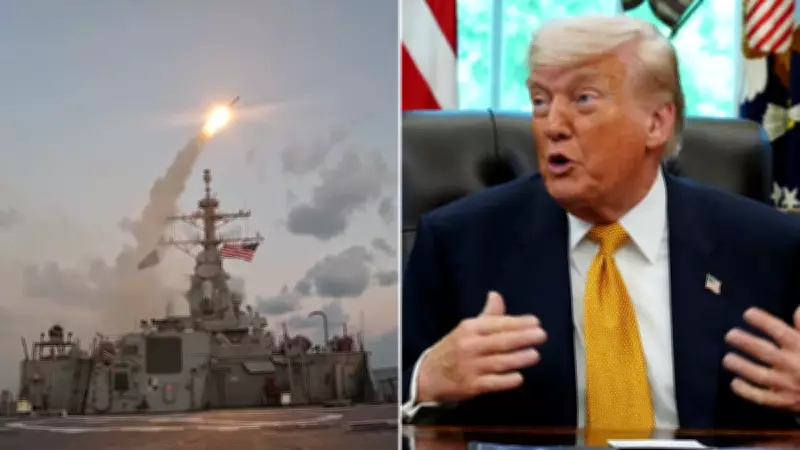
President Donald Trump has flagged reviving the US military’s short-lived “Project Freedom” operation as tensions flare again in the Strait of Hormuz. Speaking to reporters, Trump said the US could revive the mission, which was launched this week to guide ships through the strategically critical waterway before being abruptly paused just 48 hours later.
“I think Project Freedom is good, but I think we have other ways of doing it also,” Trump said as he departed the White House. “We may go back to Project Freedom if things don’t happen, but it’d be Project Freedom plus, meaning Project Freedom, plus other things.”
The comments come as Washington awaits a response from Iran on a US proposal aimed at formally ending the conflict between the two nations. Trump told CNN the administration expected to receive a response from Tehran “supposedly tonight”, but declined to say whether he believed Iran was deliberately dragging out negotiations. “We’ll find out soon enough,” he said.

Secretary of State Marco Rubio also confirmed a response was expected within hours. “We should know something today,” Rubio said. “We’re expecting a response from them.”
A classified US intelligence assessment, first reported by The Washington Post, found Iran could withstand a US naval blockade for months before facing severe economic pressure, potentially limiting Washington’s leverage as negotiations continue. The findings appear to challenge repeated claims from the Trump administration that Tehran is rapidly running out of economic and military options.
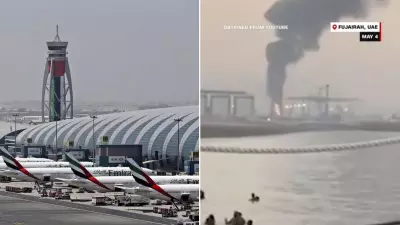
Despite the ceasefire announced last month, tensions have continued to simmer in and around the Strait of Hormuz amid renewed military activity across the Gulf. The United Arab Emirates said it intercepted two ballistic missiles and three drones launched from Iran, while Iranian state-linked media reported sporadic confrontations between Iranian forces and US vessels in the strait before the situation later calmed.
The Strait of Hormuz remains one of the world’s most critical shipping lanes, previously handling about one-fifth of global oil supplies before the conflict erupted. The military and diplomatic uncertainty has continued to rattle global markets, with Brent crude oil futures climbing above $US101 a barrel during the latest flare-up in tensions.