Archival Integrity: A Cornerstone of ACT Democracy
A robust democracy fundamentally relies on the preservation and accessibility of its historical records. Maintaining comprehensive archives of governmental decisions and the information that informed them is as crucial to a free, healthy, and self-determining society as the institutions of free elections and an independent press.
While meticulous record-keeping alone cannot guarantee the prevention of societal regression, a community that loses its memory or consciously chooses to forget forfeits its capacity for enduring liberty. For democracy to prevail over authoritarian tendencies, citizens must have the ability to access and comprehend the documented history of their government's actions.
Legislative Action for Timely Transparency
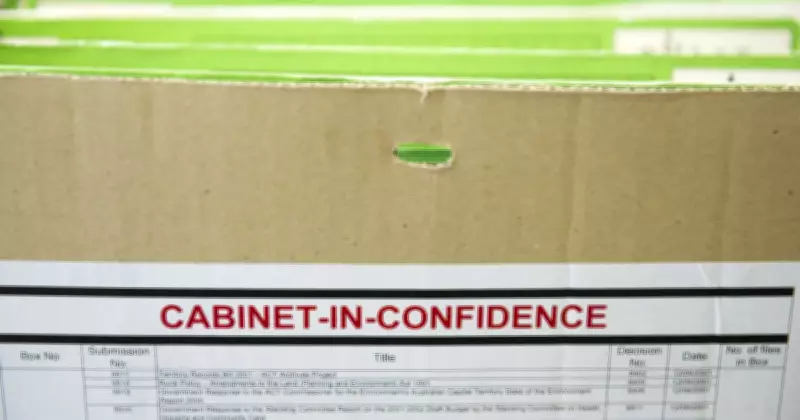
The Australian Capital Territory has taken a significant stride to fortify its democratic infrastructure. Last week, the ACT Legislative Assembly enacted new legislation establishing statutory timeframes for processing public requests to access historical cabinet documents. This reform addresses a critical gap in governmental accountability.

Ministers, who are elected representatives entrusted with considerable authority by the community, traditionally operate within a system where documents detailing their deliberations and the basis for their choices remain shielded from public scrutiny for a decade. However, the consequences of cabinet decisions often resonate far beyond this initial period.
Consider the lasting territorial impact of pivotal ACT decisions:- The extension of Gungahlin Drive and its ongoing influence on transport networks.
- The foundational planning and subdivision layouts that define Canberra's newer suburbs.
- The long-term implications of investing in the city's light rail network.
- The community effects stemming from the closure of schools back in 2006.
Canberra continues to navigate the practical outcomes of these historical policy choices. With Chief Minister Andrew Barr approaching two decades in cabinet and ACT Labor maintaining governance since 2001, public scrutiny of a long-term administration against its own documented record becomes increasingly vital.
Implementing Practical Reform
The new legislative framework sets stricter processing limits, aiming to ensure that most accessible executive records can be made available for public examination within 60 days. This change responds to processing delays that had extended beyond a year, exacerbated by consistent annual requests for new documents made on behalf of Canberra residents asserting their right to information.
ACT Public Service Minister Rachel Stephen-Smith confirmed that officials are concurrently exploring methods to streamline file processing, with expectations that current applications will be resolved promptly. The introduction of a new oversight mechanism under the ACT Ombudsman is designed to bolster confidence in the system, allowing resources to be prioritised for the review and release of the most pressing and relevant documents.
Credit for championing this transparency initiative is duly noted for the ACT Greens, who persistently advocated for the reform.The Investment in Democratic Accountability
Facilitating public access to government records entails a substantive investment of time and financial resources. Processing older executive records often requires consulting physical, hard-copy files. Similarly, responding to freedom-of-information requests involves sifting through extensive digital archives and meticulously evaluating materials against legal exemptions before release.
An independent review of the ACT's freedom-of-information legislation last year recommended the removal of application fees, observing they were rarely imposed. Adopting this recommendation would align with the principle that a robust democratic system requires sustained investment and cannot be maintained cost-free.
Ensuring the ACT's archives are adequately funded and staffed should not be viewed as ancillary to core public service duties. It constitutes essential public service work in itself—strengthening the archival foundation upon which democratic accountability, public trust, and informed civic participation are built for the future of Canberra.