A Perfect Spring Morning in Edinburgh: A First-Timer's Guide to the Scottish Capital
They say first impressions count, and as a debut visitor to Edinburgh, I was determined to soak up every ounce of this awe-inspiring city. With just one free day to explore, an early start was essential. I ventured out from the Doubletree by Hilton on Bread Street into the quiet, fresh morning air, heading up Lothian Road.
Passing the Edwardian Usher Hall and The Shakespeare pub, which dates back to 1799, I soon encountered the historic "body snatcher watchtower" looming over St Cuthbert's graveyard. This tower was once used to ward off resurrectionists like the notorious William Burke and William Hare in the 19th century, when bodies were stolen from graves due to a shortage of cadavers for medical students. It's a grim but fascinating piece of history that adds to Edinburgh's rich tapestry.
Prime Views and Literary Delights
Reaching Princes Street quickly, I arrived at Waterstones just as it opened. While it might seem odd to prioritise a bookstore in a city full of attractions, the second-floor cafe offers a stunning view that explains it all. Securing a window table overlooking Edinburgh Castle and Princes Street Gardens, I enjoyed a moment of stillness with an iced coffee, journaling as I basked in the rare Scottish sunlight.

This Waterstones is Edinburgh's largest bookshop, a bibliophile's dream with four floors of literary treasures. I left with five new volumes for my classics collection, feeling enriched by the experience. Crossing the road, I plunged into the valley gardens that separate the new and old towns, admiring the lush, vibrant greenery up close.
Historic Gardens and Floral Wonders
The cast-iron Ross Fountain, a Victorian masterpiece imported from France and opened in 1872, was a sight to behold. Edinburgh Castle towered above, its ancient fortifications looking majestic in the sunlight—a stark contrast to yesterday's rainy tour. On my way out, I discovered the world-renowned floral clock, first planted in 1903, on the sloping corner of Princes Street and The Mound.
To my delight, gardeners were actively planting it during my visit. Lying on raised ladders with rulers, they meticulously placed each flower to the centimetre—a process that takes two gardeners five weeks and incorporates roughly 30,000 plants. Since its centenary in 2003, the clock has featured both summer and winter designs, adding to its charm.
Artistic Exploration at the National Galleries
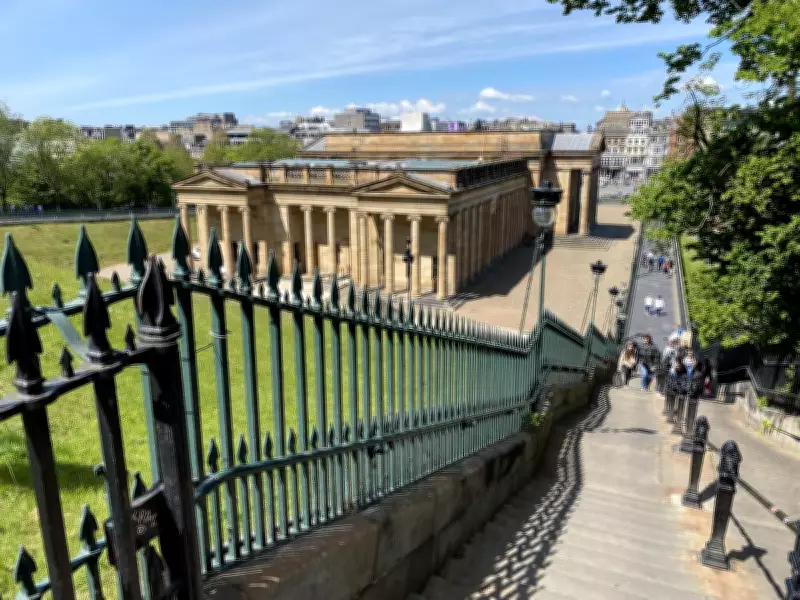
With a rumbling stomach, I headed to the National Galleries of Scotland, eager to see one of my favourite paintings in person. Following my tried-and-tested routine—using the facilities, hiring a locker, and grabbing a map—I explored the Scottish Art section (1800-1945). This area highlights how women increasingly gained recognition in the male-dominated art world post-World War I.
The Glasgow Girls section was particularly inspiring, showcasing artists like Annie French and Margaret Macdonald who helped shape the Glasgow style, a branch of Art Nouveau characterised by floral patterns and folklore themes. William Taggart's landscape paintings, such as Halfway Home from 1869, were also highlights, depicting serene scenes like a young girl on the Lochranza coast.
The grand finale was Sir Edwin Landseer's iconic Monarch of the Glen (1851), a visually sublime piece worth the visit alone. Moving to level four, I encountered John Singer Sargent's Lady Agnew of Lochnaw, a mesmerising portrait from the late 19th century. Despite its commercialisation in the gift shop, the painting's beauty remained undeniable, and I couldn't resist purchasing a few souvenirs.
This perfect spring morning in Edinburgh offered a blend of history, nature, and art, making for an unforgettable debut in Scotland's capital. From quiet streets to bustling galleries, every moment was a testament to the city's enduring charm.