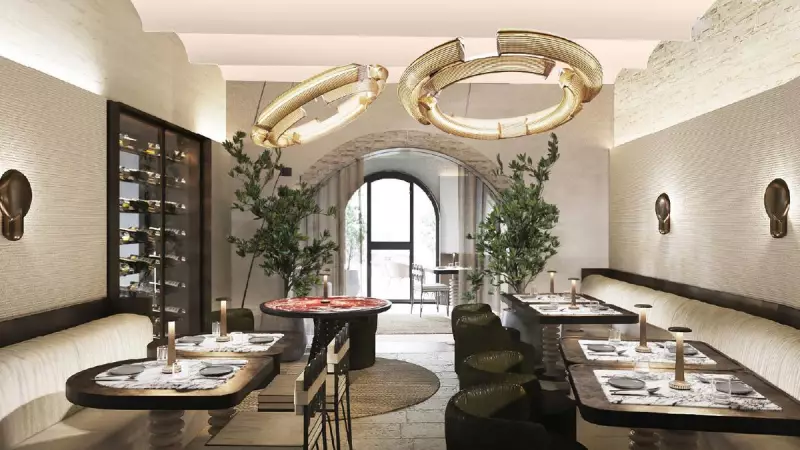
The historic Tavarnelle Val di Pesa hamlet in Tuscany, Italy, is set for a stunning transformation with the opening of the Chapter Chianti hotel in June 2026. This ambitious project, led by South African designer Tristan Du Plessis, reimagines a 16th-century medieval village into a modern luxury destination while honouring its rich heritage.
A Design Vision Blending Past and Present
For his Studio A, Tristan Du Plessis faced the unique challenge of revitalising the ancient hamlet to meet contemporary expectations without compromising its historical integrity. Moving away from traditional Tuscan elements like terracotta and antiques, Du Plessis has opted for a sleek aesthetic characterised by clean lines, exposed stone walls, sculptural lighting fixtures, and carefully selected modern Italian design pieces.
The result is an urban lifestyle hotel concept rather than a conventional countryside retreat. However, the deep connection to Tuscany's iconic landscape and centuries-old history remains a central, guiding principle throughout the design and guest experience.

Location and Ownership
Chapter Chianti is situated in the heart of the Chianti region, nestled between the famed cities of Florence and Siena. As the second property in the Chapter Italia portfolio, it occupies a prime position amidst Tuscany's classic rolling hills, approximately 45 minutes from Florence.
The 82-room hotel is owned by boutique hotelier Marco Cilia. Born and raised in Rome until age 12, Cilia later lived and studied abroad, primarily in the United States, Spain, and Germany. His career began in investment banking before a pivotal shift when his father requested assistance managing a hotel in Viareggio, Tuscany. This move ignited a lasting passion for hospitality from which he has never looked back.
Experiences and Amenities
A spokesperson for Chapter Chianti detailed the extensive offerings designed to immerse guests in authentic Tuscan culture. The property will feature three distinct restaurants and three bars, celebrating both local Tuscan traditions and international flavours.
A standout feature is the 500-square-metre spa, which redefines wellness as a communal, shared experience. Curated activities are planned to deeply connect visitors with the region, including truffle hunting expeditions, olive oil harvesting sessions, and outdoor adventures like mountain biking, hiking, and stargazing.
For those seeking ultimate privacy, The Mansion provides a secluded escape. This five-bedroom villa includes a private pool and an outdoor entertainment space, offering a luxurious, self-contained retreat.
Pricing Insights and Details
While specific room rates for Chapter Chianti are not yet available, insights can be drawn from its sister property, Chapter Roma. In Rome, the boutique hotel group offers a Solo Pad room of 17 square metres with wooden flooring and a single French bed, priced from approximately $210 to $400 per night. Their Baby Double room, at 22 square metres, ranges from about $210 to $630 nightly, with various options in between.
Further details and official pricing for Chapter Chianti are expected to be released soon on the Chapter Italia website. Additional images and project information are available on Tristan Du Plessis's professional portfolio site.
Why a South African Designer for an Italian Project?
It naturally raises the question: why would a hotel in Italy, a region globally renowned for taste, design, and elegance, engage a South African designer? The answer lies in Tristan Du Plessis's impressive and relevant portfolio.
His previous hotel projects demonstrate a proven ability to create exceptional spaces. These include Cape Town's Gorgeous George, which marked Design Hotels' first entry into the city, and Morea House. His studio also contributed to the design of Chapter Roma in Rome and Giselle Miami in the United States.
Studio A is celebrated for its methodology of drawing upon and integrating local culture to craft rich, immersive hospitality experiences. This approach has attracted a prestigious client list, including major international brands like Accor, Four Seasons, Belmond Hotels, Raffles Luxury Hotels and Resorts, and Mondrian Hotels.

The selection of Du Plessis underscores a commitment to a fresh, contemporary design perspective that still respects and enhances the unique local context of Tuscany, promising a truly distinctive addition to Italy's luxury hotel landscape.