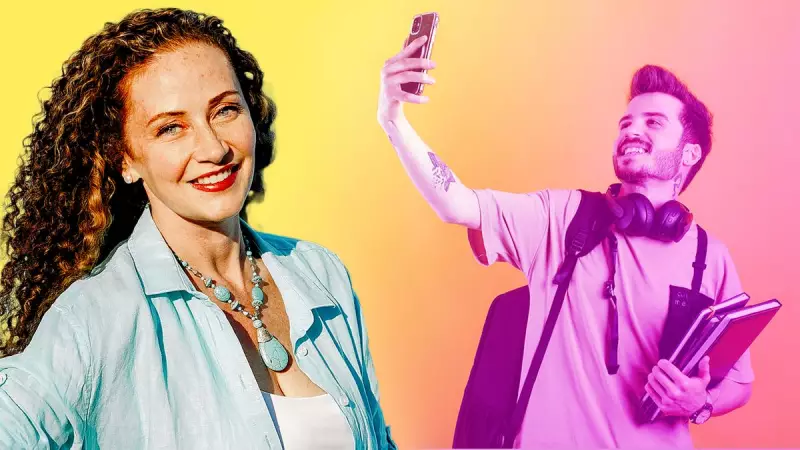
A new social media movement is shaking up the Australian dating scene, encouraging singles to swap polished perfection for unfiltered reality. Dubbed the 'real realness' trend, it involves people filming and sharing candid moments from their dating lives on platforms like TikTok.
The Rise of Raw Honesty in Dating
Gone are the days of meticulously curated profiles featuring only the best holiday snaps. In a shift identified by experts like Perth-based sexologist and relationship coach Amanda Lambros, daters are now embracing vulnerability. The trend includes 'Get Ready With Me' clips before a first date and even live-streamed recaps of awkward dinners, offering a window into the genuine, often messy, human experience of seeking connection.
This movement aligns with findings from Bumble's 2025 dating trends report, which highlights that younger Australians are prioritising authenticity more than ever. After years of swipe fatigue and highly edited online personas, showing unpolished moments feels refreshing. For many, it creates a sense of community, breaking the isolation of modern dating by normalising nerves and imperfect encounters.

Weighing the Pros and Cons of Public Dating
While the trend fosters relatability, it also sparks debate about boundaries. Amanda Lambros, who has almost two decades of experience, outlines clear advantages and risks.
The potential benefits are significant:
- It encourages honesty and helps manage unrealistic expectations.
- It builds confidence by normalising common dating anxieties.
- It fosters a supportive community where people feel less alone.
However, notable downsides exist:
- It blurs the line between personal privacy and public performance.
- Dating can become performative rather than genuine.
- There is a risk of exposing dates who did not consent to being filmed.
How to Embrace Authenticity Off-Camera
For those intrigued by the trend's push for honesty but wary of broadcasting their love life, Lambros suggests several offline strategies. She advises daters to use realistic photos in their profiles, openly share their unique quirks, and be upfront about their intentions. Crucially, she emphasises that 'realness doesn't have to mean sharing every detail' and that respecting personal boundaries remains paramount.
Ultimately, whether the 'real realness' trend is a helpful tool or simply oversharing depends on individual comfort levels. For many Australian singles, it represents a welcome antidote to glossy dating culture and a path to more genuine connections. The key, as Lambros notes, is finding the sweet spot where honesty meets respect—for yourself, your date, and your privacy. True connection begins with reality, but it doesn't necessarily require an audience.