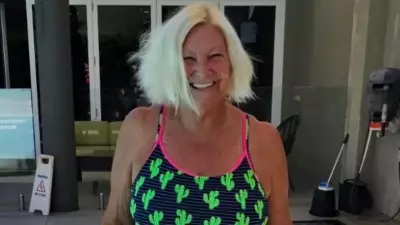
The definition of infidelity is being rewritten in the digital age, sparking fresh conflict in Australian relationships. This week, Perth-based sexologist and relationship coach Amanda Lambros addressed a reader's painful discovery: her boyfriend subscribes to an OnlyFans creator, insisting it's no different from watching porn. For her, it feels like a profound betrayal.
The Blurred Line Between Porn and Personal Connection
While traditional pornography has long been a negotiated part of many partnerships, platforms like OnlyFans introduce a new layer of complexity. The key difference, as Lambros highlights, is the potential for personal interaction. Subscribers aren't just passively viewing content; they are paying for access to a specific, real person who can respond to messages and create custom material.
This shift from anonymous consumption to a paid, interactive dynamic is what makes it feel like cheating to many. The act moves beyond fantasy into a realm that mimics the attention and financial investment typically reserved for a romantic partner.

A Nation Divided: What the Numbers Say
The emotional clash this causes is reflected in stark data. A recent survey of more than 54,000 Australians revealed a significant gender gap in perception. The survey found that 50 percent of women consider subscribing to an OnlyFans creator to be cheating, with another 42 percent saying it "depends on the context."
For men, the numbers who view it as outright infidelity are considerably lower. This disparity explains why couples are so often at odds—one person's harmless escape is another's emotional infidelity.
Redefining Cheating in the Digital Era
Amanda Lambros stresses that cheating in 2025 is no longer solely about physical acts. Emotional cheating, which involves investing time, energy, and affection outside the primary relationship, can be equally damaging. Digital platforms easily facilitate this, creating a sense that attention and intimacy are being diverted.
"If you're left feeling hurt, betrayed, or replaced, those emotions are valid," Lambros states. "The impact of the behaviour matters as much as the behaviour itself."
Navigating the Conversation: A Path Forward
So, what should you do if you find yourself in this situation? Lambros, drawing on her two decades of experience, recommends a structured, non-confrontational approach:
- Start with curiosity, not accusation. Ask your partner what the subscription means to them before assigning blame.
- Share your feelings using "I" statements. For example: "I feel hurt because this feels personal, not like anonymous entertainment."
- Define boundaries together. Explicitly agree on what is and isn't acceptable within your relationship, and discuss consequences.
- Check in on underlying needs. Sometimes, this behaviour points to unmet intimacy or curiosity. Addressing this openly can strengthen your connection.
Ultimately, Lambros concludes that cheating is now defined by the agreements between partners, not a dictionary. If an OnlyFans subscription feels like a breach of trust, it warrants a serious conversation. You are not overreacting for feeling uncomfortable, but your partner may genuinely see it differently.
The healthiest resolution is to use the conflict as an opportunity to clarify values, improve communication, and establish clear boundaries. While the rules of fidelity may evolve, the need for trust, respect, and honesty within a relationship remains constant.
The advice column was published by PerthNow on 5 December 2025. Amanda Lambros is a certified speaking professional and author of several books on relationships, health, and business, with over 150,000 copies sold.