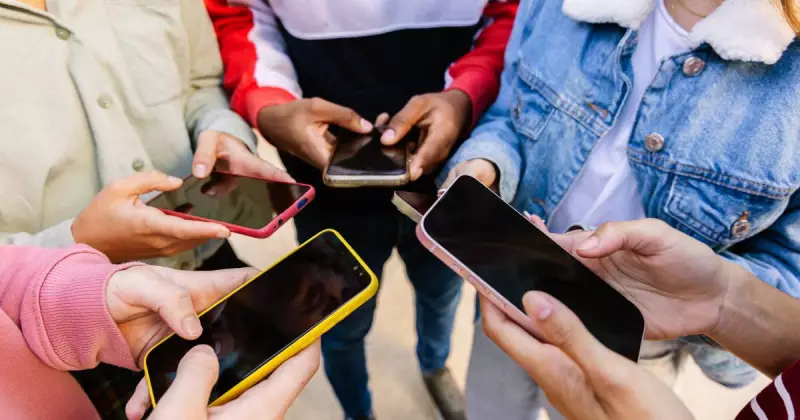
Next week, a profound shift will occur for many young Australians. A queer teenager in a remote town will lose her primary online support network. A first-generation Australian child will be disconnected from digital diaspora communities that help shape his identity. These are the human consequences of the impending social media ban for minors, a move that risks severing vital lifelines without offering a replacement.
The Overlooked Crisis of Teenage Loneliness
While the ban is designed to shield young people from documented online harms, a critical reality has been sidelined. We are cutting off a crucial source of connection during a documented loneliness crisis among NSW adolescents. Recent findings from a NSW Parliamentary Inquiry have detailed the severe prevalence, causes, and impacts of loneliness. For teenagers, whose brains are still developing and whose identities are largely forged through peer relationships, connection is not a luxury—it's a fundamental need.
Adolescent development is the second-most critical period after early childhood. The formation of a healthy adult depends on meeting these needs for belonging. Yet, as a society, we heavily invest in the first five years of life, then often leave teenagers to navigate the turbulent waters of identity, peer pressure, and isolation with minimal structured support. Removing often-meaningful online connections is not guaranteed to produce a positive outcome. Without providing safe, healthy alternatives, young people will still seek community, potentially in less supervised and riskier spaces.

Youth Hubs: A Proven, Scalable Solution
So, what can fill the void? The solution, according to Youth Action CEO and psychologist Lauren Stracey, is to invest in a well-understood model: youth hubs. These are supervised, physical spaces where young people can build connections, gain confidence, and access support from trained youth workers.
The evidence for their effectiveness is compelling. Research consistently shows that a young person's wellbeing is most bolstered by having at least one trusted adult in their corner. A single caring relationship enhances resilience, supports mental health, and reduces the risk of harm. Youth workers specialise in forging these relationships in ways that feel natural and safe to adolescents, creating conditions for healing and growth.
The False Economy of Underfunding
Despite their proven value, youth hubs are not abundant or well-funded. The barrier is typically cited as affordability. However, this is a false economy. Skimping on investment in youth support today guarantees higher costs tomorrow—burdening mental health services, the justice system, and resulting in lost social and economic potential.
The social media ban is a popular policy. The pressing question now is what will replace the community functions these platforms served. If we don't provide safe, offline spaces, something less safe will inevitably take their place. We would never consider withdrawing early childhood services without a replacement. Similarly, a government that removes online social spaces without building robust offline alternatives cannot claim to be fully protecting young people.
Lauren Stracey, who has over 20 years of experience in the not-for-profit sector, emphasises that when young people feel genuinely supported, they rebuild trust, take positive risks, and reconnect with education and community. The choice is clear: invest in the infrastructure of connection now, or pay a far steeper price later.