The South Metropolitan Health Service in Western Australia has welcomed a record-breaking cohort of medical interns this month, marking a significant achievement in addressing critical workforce shortages. A total of 132 junior doctors have commenced their placements, representing the provider's largest intake to date and positioning it as one of the biggest intern programs in the country.
Innovative Support Service Transforms Workplace Culture
Clinical Services Area Director Mark Monaghan credits this remarkable increase to a transformative shift in workplace culture, driven by the introduction of the pioneering Doctor Support Unit. Launched in June 2024, this first-of-its-kind initiative provides comprehensive professional development and wellbeing support specifically tailored for doctors in training.
"Doctor shortages are a global reality, and post-COVID, the situation has become particularly challenging," Dr Monaghan explained. "There's a growing recognition that we need to achieve better work-life balance, and healthcare organisations must respond accordingly."

Addressing Core Concerns to Become Employer of Choice
The DSU was established in direct response to feedback from medical staff who identified key priorities including roster management, leave and overtime arrangements, doctor wellbeing, and education and training opportunities. By systematically addressing these concerns, SMHS has transformed into a preferred employer for medical graduates.
This represents a dramatic improvement from just the previous year, when SMHS ranked only fifth overall among Western Australian students' preferred internship locations. In 2026, more than 100 students placed the hospital service provider as their first preference, elevating it to second position in the state.
"If you have a workplace where people aren't being properly cared for, where they can't access their leave entitlements, they'll leave," Dr Monaghan emphasised. "Then you're constantly struggling to maintain adequate staffing levels. When you don't have enough doctors, it creates a more challenging work environment for everyone."
Reducing Reliance on International Recruitment
The success of the Doctor Support Unit is helping to alleviate doctor shortages, decreasing the health service's dependence on recruiting medical professionals from overseas. While SMHS continues to welcome talented graduates from the United Kingdom and Ireland each August, the improved retention of local doctors means fewer international recruits are needed.
"We're needing significantly fewer international doctors because more medical professionals are choosing to stay with us," Dr Monaghan noted with satisfaction. "They enjoy working here, which enhances our self-sufficiency. Nothing pleases me more than seeing people want to remain part of our team."
The director acknowledged that while perfect solutions haven't been achieved yet, substantial progress has been made. "We haven't completely solved every challenge, but we're performing much better than before. We have dedicated people working hard to create positive change, and that naturally attracts others to join us."
Expanding Opportunities for Junior Doctors
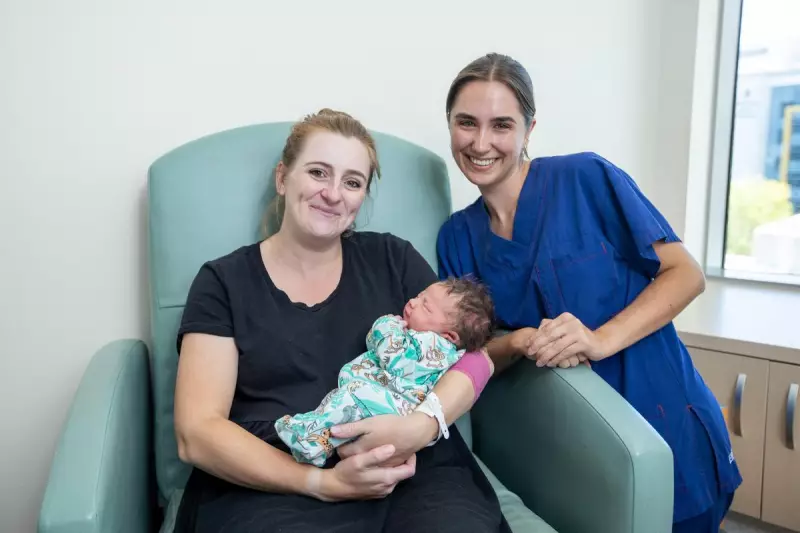
Medical intern Ainsley Somers represents one of the first participants in Fiona Stanley Hospital's neonatal placement program, introduced just last year. She relocated from Canberra specifically for this unique opportunity.
"I was particularly interested in the different rotations available, and the neonatal department placement stood out as something I hadn't encountered elsewhere," Somers explained. "As students, we rarely get substantial exposure to neonatal care. If I didn't seize this chance as a junior doctor, I wasn't sure when I'd have another opportunity to experience this specialty."
Boosting Rural Medical Placements
The Doctor Support Unit is also focusing on enhancing rural medical placements. Junior doctor Ahmed Abrar is currently testing northern work opportunities, beginning a twelve-week placement in general medicine at Broome Hospital.

"I chose Broome because rural settings offer exposure to a broader range of medical presentations than metropolitan hospitals typically provide," Abrar stated. "I can make a meaningful contribution to addressing doctor shortages in regional areas. Here, I shoulder greater responsibility and face more significant challenges, both of which I welcome."
The enthusiastic junior doctor added, "Given the opportunity, I'm genuinely interested in pursuing future work in rural healthcare settings." The program currently focuses on junior doctors but will eventually expand to include all medical professionals working within the South Metropolitan Health Service network.
This comprehensive health service operates several major facilities including Fiona Stanley Hospital, Fremantle Hospital, Rockingham General Hospital, the Murray District hospitals, and Peel Health Campus. The record intern intake and innovative support systems represent a promising development for Western Australia's healthcare system during a period of significant medical workforce challenges.