Sydney Measles Alert: Health Authorities Warn of Increased Risk
Sydney residents are facing an elevated threat of measles infection as international travellers return from holiday destinations overseas. The urgent public health warning was issued on Friday following confirmation of a new measles case that visited numerous sites across the metropolitan area.
Confirmed Case and Exposure Locations
This latest diagnosis represents the fourteenth confirmed measles case reported since December 1, according to NSW Health officials. The infected individual had recently returned from South-East Asia, where multiple measles outbreaks continue to spread through communities.
The person was infectious upon arrival in Sydney at 10:50 AM on Tuesday, traveling aboard Cebu Pacific Flight CEB39 from Manila. Following their arrival, the individual spent approximately one hour in the arrivals and baggage claim sections of Sydney Airport between 11:00 AM and 12:00 PM.

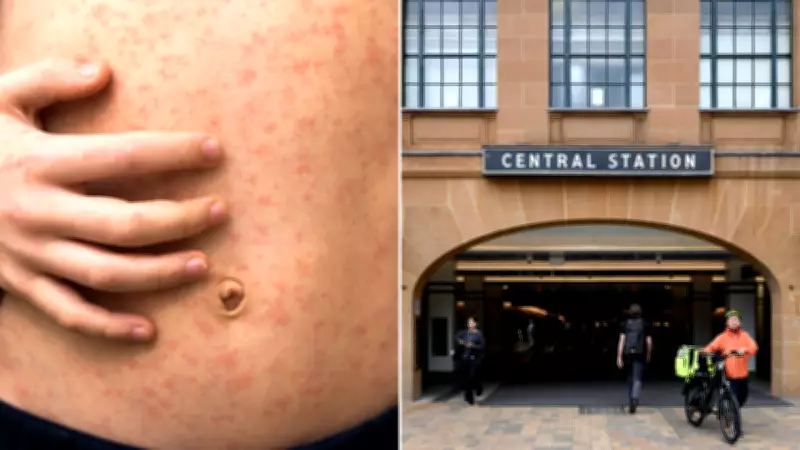
Subsequent travel included movement on the Sydney T8 train line from International Airport Station to Central Station between 12:30 PM and 1:20 PM. Health authorities have also identified potential exposure on the Sydney T1 train line from Central Station to Hornsby Station between 12:50 PM and 2:20 PM.
Health Department Recommendations
NSW Health has strongly urged both residents and visitors to consult the complete list of exposure locations and specific timeframes published on their official website. While these locations no longer pose an ongoing transmission risk, anyone present during the specified times should remain particularly vigilant for developing symptoms.
"As people return from overseas holidays, it is expected that additional cases may be identified," stated the health department in their official advisory. This warning comes during peak travel periods when many Australians are returning from international destinations.
Symptoms and Medical Response
Dr Vicky Sheppeard, Executive Director of Health Protection NSW, emphasized the importance of prompt medical attention for anyone experiencing symptoms after potential exposure. "If symptoms develop and you've been at one of the locations at the time listed above or on the website, see your doctor or health service, including an emergency department," she advised.
Measles symptoms typically begin with fever, runny nose, sore eyes, and cough, followed three to four days later by a distinctive red, blotchy rash that spreads from head to body. The incubation period can extend up to 18 days following exposure, requiring extended vigilance from potentially exposed individuals.
Vaccination Protection
Measles represents a highly contagious viral illness that spreads through airborne transmission when infected individuals cough or sneeze. Fortunately, the disease is preventable through vaccination programs that have proven highly effective over decades.
Dr Sheppeard reminded the community about the critical importance of vaccination status. "Anyone born after 1965 needs to ensure they have had two doses of measles vaccine," she emphasized. The measles-mumps-rubella (MMR) vaccine remains freely available in New South Wales for all individuals born after 1965 who haven't received two doses, as well as for children at standard vaccination intervals of 12 and 18 months.
Health authorities continue to monitor the situation closely as travel patterns return to pre-pandemic levels, increasing potential exposure to vaccine-preventable diseases from international destinations experiencing outbreaks.