Newcastle Woman Swims for Breast Cancer Research After Personal Journey
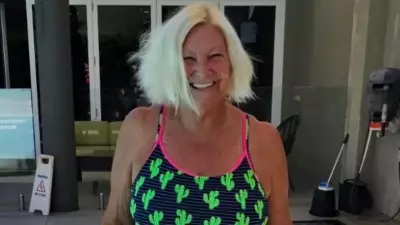
When Jenny Williams first received her breast cancer diagnosis, she described the feeling as being like a deer in the headlights. The Lambton resident was 64 years old at the time, facing a daunting path of surgery, chemotherapy and radiotherapy that would span two years.
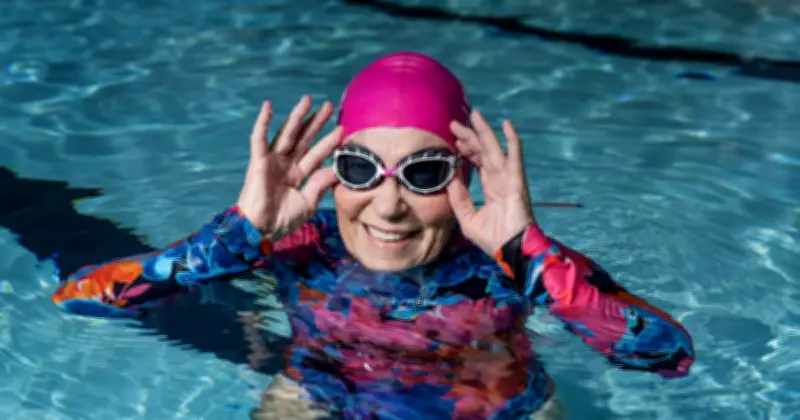
Now aged 73, Jenny is channelling her experience into a powerful fundraising effort. This month, she is participating in the Big Bold Swim for Breast Cancer Trials, aiming to complete 12 kilometres throughout February. She has joined a team called The Aquaholics, dedicated to raising crucial funds for breast cancer research.
Exercise as a Pillar of Recovery and Prevention
Jenny has always been an active person, growing up with swimming, running, bushwalking and cycling as integral parts of her life. I did outdoor activities for most of my life, she said. Even during her cancer treatment, her doctors encouraged her to continue cycling.

Today, she places exercise at the forefront of her healthy lifestyle. I'm determined to move every day. It's my brain telling me not to get sick again, Jenny explained. She now swims at least five days a week, often at the Charlestown Swim Centre, where she has built a strong community through aquafit classes.
Motivation Rooted in Empathy and Hope
During her own treatment, Jenny was deeply affected by seeing younger women battling breast cancer, some with very young children. That's one of my reasons for supporting breast cancer research, she shared. Her goal is to help raise awareness and fund research so future treatments can be even more effective and targeted.
Kate Campbell from Breast Cancer Trials emphasised the critical role of clinical trials. Every significant advancement in breast cancer treatment has been achieved through clinical trials research, she said. The more clinical trials you help fund, the sooner new treatments can be made available.
The statistics remain sobering. While survival rates have improved, about 56 people are diagnosed with breast cancer each day in Australia. Approximately 3300 people die from the disease annually, including around 225 in the Hunter New England and Central Coast regions.
The Power of Positivity and Community Support
Jenny credits her family and friends as crucial to her healing process. When I was diagnosed, one of my ways of dealing with it was being very positive, she recalled. Her daughter helped organise her life, while her son frequently accompanied her to chemotherapy appointments.
After retiring and moving from Hawks Nest to Newcastle to be closer to medical follow-ups, Jenny found new strength in community. She initially kept her cancer story private but later shared it when friends faced their own diagnoses. I told them what I'd been through. I could see it helped others to be truthful about it, she said.
Living with the possibility of recurrence requires maintaining a positive outlook, Jenny noted. Always in the back of your mind, you think what if it comes back. The positivity has to remain for me. That ties in with having a wonderful group of friends.
Reflecting on her journey, Jenny stated that having cancer made me grateful for what I've got. Her philosophy is simple: I make the most of life. I feel fantastic. Through her swimming challenge, she hopes to contribute to a future where breast cancer is even more treatable, supporting research that brings hope to countless others.