Newcastle's $600k Cancer Machine to Revolutionise Treatment Research
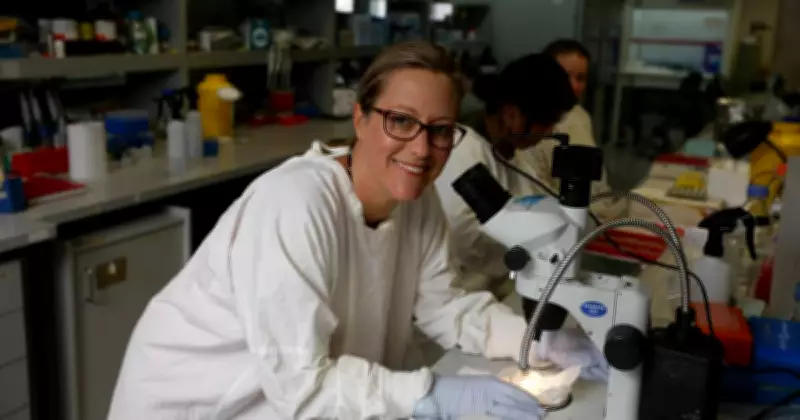
A significant $600,000 grant has been awarded to University of Newcastle scientist Professor Nikki Verrills for a cutting-edge medical machine that promises to transform cancer research. The device, named CellenONE, is designed to pinpoint and analyse individual cancer cells within tumours with unprecedented precision.
Unprecedented Cellular Analysis
Professor Verrills explained that this European-made machine will allow researchers to "zoom in and isolate each cancer cell" within tumours. "This equipment will allow us to peer deeper than ever before into cancers to make new research discoveries," she stated. The technology enables scientists to examine genetic mutations and proteins in individual cells, information crucial for predicting which drugs will be effective against specific cancer types.
Targeting Treatment-Resistant Cancers
The machine addresses a critical challenge in oncology: understanding why some cancer cells resist therapy and why relapse occurs. "In the past, researchers lacked the tools to study cancer cells individually," Professor Verrills noted. "Most treatments were designed to target the bulk of the tumour, which can leave behind cells that resist therapy and allow the cancer to return." With CellenONE, researchers can analyse every cell type within a tumour to understand unique behaviours and develop more effective treatments.

Focus on Difficult Cancers
Professor Verrills and her team will initially focus on several challenging cancers:
- Blood cancers, particularly acute myeloid leukaemia
- Breast cancer
- Brain tumours
She highlighted the urgent need for better treatments, noting that "only about a quarter of acute myeloid leukaemia patients will be long-term survivors." The machine's ability to identify diverse cell populations within cancers like leukaemia represents a major advancement, as current therapies often cannot target all cell types effectively.
Precision Medicine Frontier
The research represents what Professor Verrills calls "the next frontier for cancer" – precision medicine that matches specific therapies to individual patients based on their unique cancer biology. "We understand a lot more about the biology of cancers now, but it's about matching the right therapy to the right patient," she explained. "It'll make a huge difference."
Government and Institutional Support
The Cancer Institute NSW provided the research equipment grant that funded the machine's acquisition. NSW Minister for Medical Research David Harris emphasised that "targeted research is vital to delivering better treatments and interventions that reduce the impact of cancer and save lives." Cancer Institute NSW chief executive Professor Tracey O'Brien acknowledged that while "significant progress has been made in understanding and treating cancer," it remains "the leading cause of death in NSW."
Local Impact with Global Reach
While the machine will be based at the University of Newcastle and serve patients in the Hunter region, Professor Verrills confirmed it will also support local, national and international clinical trials. The device is expected to arrive within weeks, marking what she describes as an "exciting time for improvements in cancer research and patient outcomes."
This investment represents a significant step forward in the fight against cancer, providing researchers with tools to develop more targeted, effective therapies for some of the most challenging forms of the disease.