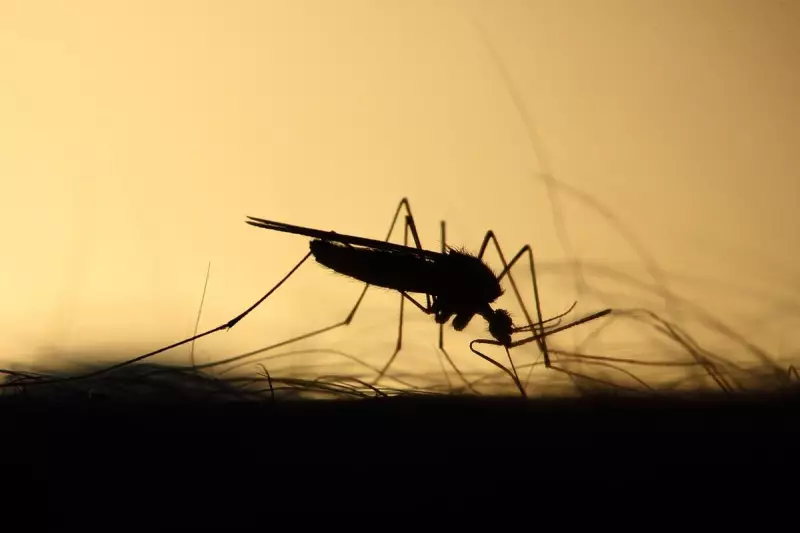
Residents of Mandurah and the wider Peel region are being called on to ramp up their defences against mosquitoes this summer, following the release of a significant new study. The research confirms that hotter weather directly contributes to a surge in cases of Ross River virus, a debilitating mosquito-borne illness.
Study Links Temperature to Virus Outbreaks
The warning comes after mosquito management experts for the City of Mandurah highlighted a perfect storm of conditions that have boosted local mosquito populations and led to a spike in Ross River infections, with concerns this trend will continue. A major research mapping study led by the University of Adelaide, published recently, provides strong scientific backing for these observations.
The study, which focused on coastal locations across Australia including Mandurah, found that warmer temperatures heighten the risk of Ross River virus outbreaks. Lead author Christina Mary Varghese from the University of Adelaide's School of Public Health explained the findings.

"Studies found that maximum temperatures are linked to higher Ross River virus cases in coastal Australia, particularly in... WA (Mandurah)," Ms Varghese said. She noted that while outbreaks are hard to predict due to factors like rainfall and humidity, cases are more likely when temperatures sit between 17 and 31 degrees Celsius, spiking around 26 degrees.
Local Impact and National Concern
The data shows a clear local impact. In the Peel region, 71 people were diagnosed with Ross River virus in the 2024-25 season, a noticeable increase from the 55 cases recorded the previous year. Nationally, Australia sees more than 3000 reported cases annually.
The virus, which can be spread by more than 40 mosquito species, causes symptoms including rash, fever, and joint pain. While most recover in weeks, for some, persistent joint pain can significantly hinder quality of life. The study also examined Barmah Forest virus, another mosquito-spread illness, finding its risk was linked to minimum temperatures.
Senior author Professor Peng Bi pointed out a critical knowledge gap exposed by the research. "There has been no Australian-based study assessing associated healthcare costs, nor projecting future disease burden under different climate change scenarios," Professor Bi stated. "We need to better understand how our changing climate is going to influence risk in different regions."
Protecting Yourself This Summer
With the holiday season prompting more outdoor activities, the risk of mosquito bites increases. Experts are urging Australians, especially in areas like Mandurah, to take simple but effective precautions.
Key protective measures include:
- Wearing light-coloured, loose-fitting clothing.
- Applying effective mosquito repellent to exposed skin.
- Using mosquito nets when camping or sleeping outdoors.
"While not all mosquitoes carry Ross River fever, it’s wise to be careful," Ms Varghese cautioned. "Mosquitoes can also cause illnesses such as Barmah Forest virus and Japanese encephalitis."
The Public Health Association of Australia's chief executive, Terry Slevin, said the newly established Australian Centre for Disease Control (CDC), which launched officially in January, will need to monitor these issues closely as the climate warms. The CDC already provides online resources for mosquito bite prevention.