Australian Doctors Unite Against Viral Medical Misinformation Online
Millions of Australians are increasingly turning to social media platforms for medical guidance and health information, but what many are encountering is dangerously inaccurate and potentially harmful. In an unprecedented coordinated response, Australia's leading medical authorities have joined forces to confront this growing crisis directly, issuing an urgent national alert about the serious health risks associated with fake medical content circulating online.
The Scope of the Problem
Leading specialists from hospitals, general practice clinics, pharmaceutical fields, and paediatric medicine have come together to address what they describe as one of the most significant challenges facing healthcare professionals globally. The issue involves viral videos and social media posts disguised as legitimate health advice that are designed to frighten, deceive, and ultimately harm viewers.
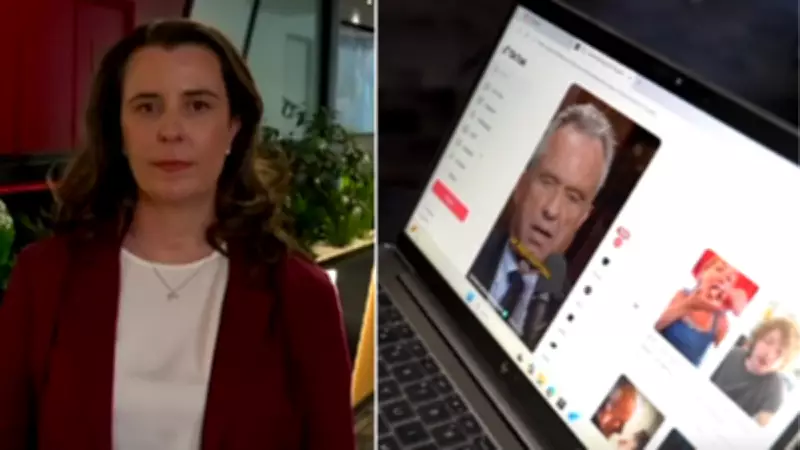
Medical experts were presented with various examples of concerning content, including misleading advice about women's health that actively discourages essential medical procedures like pap smears and biopsies. Australian Medical Association president Danielle McMullen expressed particular concern about how quickly such content can undermine public trust in established medical practices.

"Just how in one short video they've managed to unravel the trust of viewers," McMullen remarked when asked about her reaction to viewing such misleading content.
Sources of Misinformation
The problem extends far beyond obviously fabricated videos. Some dangerous misinformation originates from what appear to be official sources, including controversial claims about fluoride safety from US health authorities. Royal Australian College of General Practitioners president Michael Wright explained how these misleading posts often contain elements of truth that are then dramatically exaggerated.
"Where you see a little bit of truth that's then inflated," Wright noted, describing the deceptive nature of much medical misinformation.
Particularly Dangerous Content
Among the most concerning categories of misinformation is parenting advice that discourages childhood vaccination. Viral videos featuring statements like "I chose not to vaccinate my kid and here's why" are contributing to growing vaccine hesitancy among Australian families.
Paediatrician Linny Phuong expressed increasing concern about this trend, noting the real-world consequences of declining vaccination rates.
"How worried are you about children and vaccines? Increasingly worried," Phuong stated. "More and more families are becoming vaccine hesitant. We are certainly starting to see some of these illnesses come back. For example, measles. I've seen children die from whooping cough."
The AI Complication
The rapid advancement of artificial intelligence technology has significantly exacerbated the problem, making AI-generated health content increasingly difficult for the average person to identify as false or misleading. This technological development has created new challenges in distinguishing between legitimate medical information and sophisticated fabrications.
Balancing Online Information with Professional Care
While the internet does contain valuable and accurate health information, and many Australians search symptoms online due to the cost barriers associated with seeing a doctor, medical experts emphasize the critical importance of verifying sources before acting on any health advice found online.
Danielle McMullen stressed this point clearly:
"It's so important when it comes to your health to make sure that information is right."
Michael Wright added important context about the entertainment-focused nature of much social media content:
"A lot of this information is designed to entertain and get your attention, but it's not the same as getting proper medical advice."

Calls for Action and Protective Measures
Medical professionals warn that without urgent intervention, viral medical misinformation will continue to put Australian lives at risk. They're calling on both government regulators and social media companies to implement more robust warning systems, verification processes for questionable accounts, and clearer disclaimers on health-related content.
Danielle McMullen expressed the challenging nature of this battle:
"It scares me that we're having to fight this tide."
In the meantime, medical authorities urge Australians to approach online health information with greater scepticism. A simple rule of thumb: if health advice sounds too good to be true or appears excessively sensational, it likely requires verification from trusted medical sources before being acted upon.