Carly Thomson's Melanoma Diagnosis at 25: A Journey from Shock to Sun-Safety Advocacy
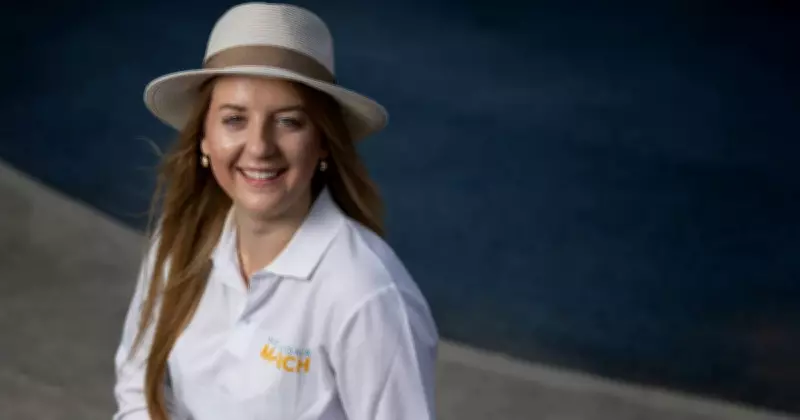
When Carly Thomson received a melanoma diagnosis at the age of 25, she experienced profound shock and guilt. The call from her doctor was urgent, instructing her to bring a parent along. "I took my mum, and I remember them saying 'you've got melanoma'," said Miss Thomson, a resident of Kurri Kurri. "I never really learnt much about it in high school, so I was completely oblivious."
Transforming Guilt into Positive Action
Despite not being an avid beachgoer or sunbaker, Carly felt responsible for her past sun exposure. She channeled this guilt into adopting a rigorous sun-safe lifestyle. "I go out in the sun now, but always make sure to wear a hat, sunnies, and protective clothing," she explained. As an avid golfer, she specifically chooses golf apparel with UPF (ultraviolet protection factor) 50-plus ratings to minimize risk.
Her melanoma journey began with a skin check in 2019 for a mole on her stomach, which was initially deemed fine. However, a follow-up check in late 2021 led to a biopsy. "My doctor decided to take a biopsy. It evolved from there," Carly recalled. Reflecting on photos, she noted the mole appeared after a severe sunburn during a cruise in early 2017. From 2017 to 2021, the mole grew, ultimately being identified as melanoma.

Ongoing Vigilance and Treatment
The melanoma was surgically removed at the Calvary Mater Newcastle's Melanoma Unit. Over the next two years, Carly had 12 additional moles removed at her GP clinic, primarily on her back, with others on her neck and buttock. "They were suspicious moles. A lot of them were atypical nevus, the same type that turned into melanoma," she said. Now 29, she undergoes six-monthly check-ups, having previously required three-monthly appointments for an extended period.
Carly's experience has made her passionate about sun safety. Seeing people tanning, especially friends who boast about sunburns, infuriates her. "A lot of the young ones still chase a tan and tanlines. If only they knew the damage they were doing," she emphasized.
Alarming Melanoma Statistics in the Hunter Region
Melanoma poses a significant health threat in Australia, with the Hunter New England health district recording about 110 deaths and 1,130 diagnoses annually on average. It is the second most diagnosed cancer in the district, trailing only prostate cancer. Australia holds the dubious distinction of having the highest melanoma rates globally, with one person diagnosed every 30 minutes and one death every six hours, according to the Melanoma Institute Australia. This disease is the most common cancer among Australians aged 20 to 39.
Notably, four Hunter areas rank among the top 25 melanoma hotspots in New South Wales: Port Stephens (13th), Lake Macquarie (16th), Cessnock (21st), and Newcastle (25th). Ballina, Lismore, and Byron Bay occupy the top three positions.
Advances in Treatment and Research
Less than a decade ago, advanced melanoma was often fatal, with patients rarely surviving beyond a few months. However, immunotherapy has revolutionized treatment, described as the "penicillin moment for cancer treatment." Today, almost 60% of advanced melanoma patients survive. Dr. Georgina Long, medical director at the Melanoma Institute Australia, stated the focus is on "what our next major change in practice needs to be to transform outcomes."
Carly Thomson is now the top fundraiser for the Melanoma March in Newcastle, scheduled for March 8. This event supports vital research and the development of new treatments, aiming to improve survival rates and awareness. Her story serves as a powerful reminder of the importance of regular skin checks and sun protection, urging others to prioritize their health in the face of this pervasive disease.