Sydney Hospital Mould Outbreak Claims Three Lives Amid Cover-Up Allegations
A deadly mould outbreak at one of Sydney's premier hospitals has resulted in three patient fatalities and left four others seriously ill, sparking a major health crisis and accusations of a deliberate cover-up by authorities. The NSW Government and Sydney Local Health District have been forced into emergency response mode following revelations about the lethal conditions at Royal Prince Alfred Hospital in Camperdown.
Deadly Outbreak in Transplant Ward
Highly sensitive health documents obtained by investigative journalists reveal that three organ transplant patients died and seven cases in total were linked to the deadly mould outbreak inside RPA Hospital's ward nine. The critically ill patients were receiving life-saving treatment between October and December last year when the contamination occurred. All three patients who died passed away within a month of their diagnosis, highlighting the rapid and devastating impact of the infection.
"This is a cover-up, plain and simple, and heads need to roll," declared shadow health minister Sarah Mitchell, accusing the government of attempting to conceal the severity of the health disaster. "The government was hoping that nobody would find out about this news."

Systematic Failures and Secret Statements
Concerns about the mould contamination were first raised in December, prompting the Chief Health Officer to establish a crisis panel on Christmas Eve. Despite this emergency response, authorities drafted a secret media statement that made no mention of any patient deaths, prepared specifically in case questions were asked about the outbreak.
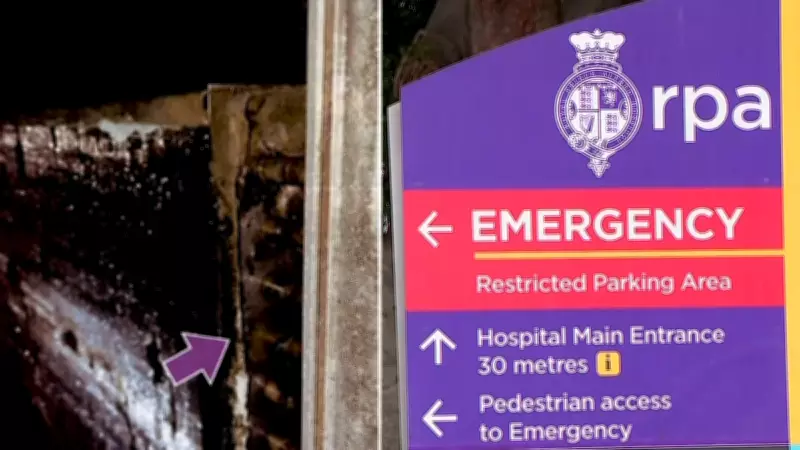
Images from inside the affected ward show visible mould contamination, while confidential testing reports indicate that air monitors were strategically moved and extensive cleaning was undertaken in response to the crisis. The outbreak has been scientifically linked to Aspergillus spores that were whipped up by nearby construction work, creating a perfect storm of contamination in the vulnerable transplant unit.
Widespread Hospital Hygiene Failures
The crisis at RPA Hospital represents just the tip of the iceberg in a broader pattern of hygiene failures across New South Wales healthcare facilities. Health authorities have been quietly battling mould contamination at multiple hospitals throughout the state, with serious outbreaks documented in various critical care areas.
Mould has been discovered in day surgeries at Ryde Hospital, within intensive care units at Wollongong Hospital, and in the paediatric unit at John Hunter Hospital. At Wyong Hospital, infection concerns became so severe that medical authorities took the extraordinary step of ripping up and completely replacing the flooring to eliminate contamination risks.
Conflicting Safety Claims and Ongoing Concerns
Sydney Local Health District's Deb Willcox defended the hospital's response, stating: "We have tested, we have cleaned, we have changed air vents. The cluster is six patients between October and December. Two of those six patients have subsequently passed away." Willcox further claimed that "Right now, I can categorically say that the air in RPA is cleaner than the air outside."
The transplant ward at RPA Hospital officially reopened on February 9, with health authorities declaring it safe for patient care. However, the opposition continues to demand full transparency from the government regarding the extent of contamination discovered inside NSW hospitals and the true impact on patient safety.
This devastating outbreak has exposed critical vulnerabilities in hospital infection control protocols and raised serious questions about accountability within the state's healthcare system. As investigations continue, families of affected patients and health advocates are calling for comprehensive reforms to prevent similar tragedies in the future.