E-Bike Dangers: Are Children Risking Serious Injury on Australian Roads?
A growing trend of children riding electric bikes, or e-bikes, is sparking significant safety concerns across Australia, with experts warning that young riders may be at high risk of serious injuries on the roads. As e-bikes become more accessible and popular, particularly among teenagers and even younger kids, there are mounting calls for increased awareness, stricter regulations, and better parental supervision to prevent accidents.
The Rising Popularity and Associated Risks
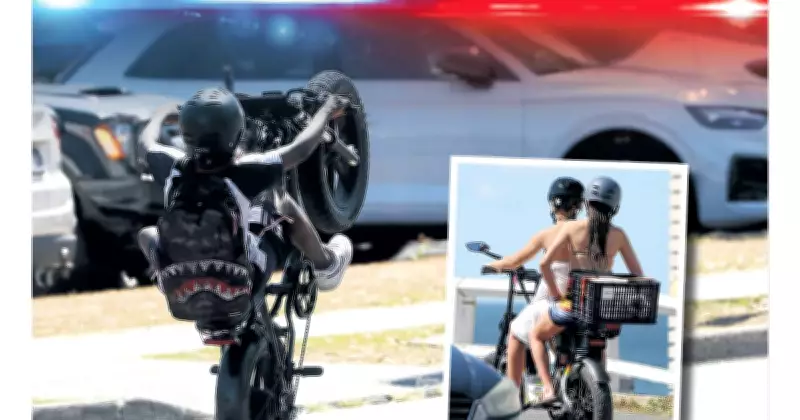
E-bikes, which are equipped with electric motors to assist pedaling, can reach speeds of up to 25 kilometers per hour or more, depending on the model. This increased speed, combined with often inadequate safety gear and limited riding experience among children, creates a dangerous mix. Reports indicate a rise in e-bike-related incidents, including collisions with vehicles, falls, and other accidents that can lead to fractures, head injuries, and in severe cases, fatalities.
Many children are drawn to e-bikes for their fun and convenience, but they may not fully understand the risks involved. Unlike traditional bicycles, e-bikes require more skill to handle at higher speeds, and young riders might overestimate their abilities, leading to reckless behavior such as speeding, weaving through traffic, or ignoring road rules.

Expert Warnings and Safety Recommendations
Safety advocates and health professionals are urging parents and guardians to take proactive steps to protect their children. Key recommendations include:
- Ensuring proper safety gear: Always wear helmets, knee pads, and other protective equipment.
- Supervising young riders: Monitor children while they ride, especially in traffic-heavy areas.
- Educating on road rules: Teach kids about traffic laws, signaling, and defensive riding techniques.
- Choosing appropriate e-bikes: Select models suitable for the child's age and skill level, avoiding high-powered options.
Additionally, there is a push for clearer regulations regarding e-bike use by minors. Some experts suggest implementing age restrictions, mandatory training courses, or speed limiters on e-bikes designed for children to mitigate risks.
Community and Government Response
In response to these concerns, community groups and local governments are starting to take action. Initiatives include public awareness campaigns, school programs focused on e-bike safety, and discussions about updating traffic laws to address the unique challenges posed by electric bicycles. However, more comprehensive measures are needed to ensure consistent safety standards nationwide.
Parents are encouraged to have open conversations with their children about the dangers of e-bikes and to set clear rules for their use. By fostering a culture of safety and responsibility, families can help reduce the likelihood of injuries and promote safer riding habits among young Australians.
As e-bikes continue to gain popularity, it is crucial for all stakeholders—parents, educators, policymakers, and manufacturers—to work together to address these safety issues. Protecting children on the roads requires a collective effort to balance the benefits of e-bikes with the imperative of preventing harm.