The lingering effects of the COVID-19 pandemic continue to impact vital health initiatives, with Australia's essential funnel-web spider antivenom program now facing a critical shortage. The Australian Reptile Park, the nation's sole supplier of venom for antivenom production, is experiencing some of the lowest spider donation numbers in its history, prompting urgent calls for public assistance across the Hunter region.
Perfect Storm of Conditions Creates Spider Activity Surge
Recent weather patterns have created ideal circumstances for funnel-web spider activity throughout New South Wales. Periods of intense heat followed by substantial rainfall have produced the humid conditions these arachnids favour, causing increased movement as males search for mates during their November to April breeding season.
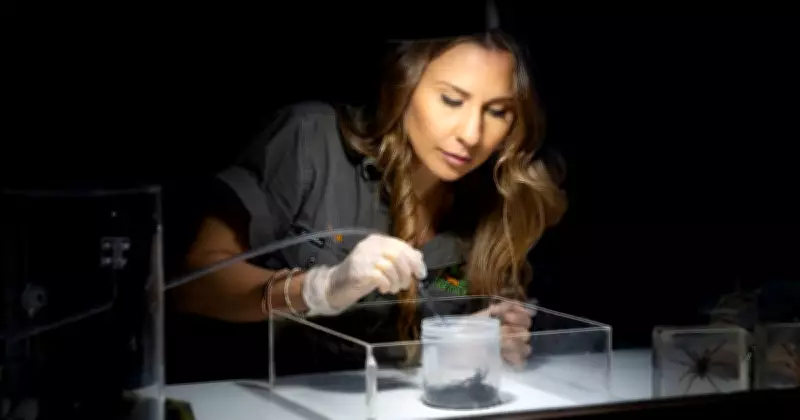
Emma Teni, spider keeper at the Australian Reptile Park, explained the current situation. "We're experiencing their peak breeding season right now, with males actively wandering in search of females," she said. "The combination of high rainfall and humidity creates perfect conditions for funnel-web spiders, which explains why we're seeing them more frequently in residential areas."

Pandemic Legacy Continues to Haunt Program
The program's current crisis traces directly back to COVID-19 restrictions implemented in 2020. During lockdown periods when movement was restricted to two-kilometre radii, virtually no funnel-web spiders or egg sacs were donated to the park. Those missing egg sacs would have matured into venom-producing adults years later, creating a significant gap in the program's pipeline that is only now becoming fully apparent.
"We have thousands of baby spiderlings being raised, but it will be several years before they're mature enough for milking," Ms Teni revealed. The park ideally requires approximately 300 adult spiders for regular venom extraction, but currently operates with only about 100 specimens, severely limiting production capacity.
Complex Production Process Demands Constant Supply
The antivenom manufacturing process is remarkably resource-intensive. Only adult male Sydney funnel-web spiders are milked for venom, as their toxin proves significantly more potent and essential for effective antivenom production. These males live for approximately one year after reaching maturity, necessitating continuous new donations to maintain the program.
The scale of effort required to produce life-saving treatment is substantial. Approximately 150 individual venom milkings are needed to create just one vial of antivenom. In the most extreme recorded case, 13 vials were required to save a single patient's life, representing nearly 2,000 separate venom extractions.
Community Response and Collection Procedures
Member for Hunter Dan Repacholi has amplified the call for public assistance through social media channels. "I've received numerous reports of funnel-web sightings across the Hunter region in recent days," he stated. "The warm, humid conditions mean they're more active and sometimes appearing in backyards, garages, and even inside homes."
The Australian Reptile Park maintains 15 official drop-off locations spanning from Sydney to Newcastle, including John Hunter Hospital and the Animal Referral and Emergency Centre at Broadmeadow. The park provides clear safety instructions for capturing funnel-web spiders without risk, ensuring specimens arrive unharmed for inclusion in the venom program.
Four Decades of Life-Saving Success
Since its establishment over forty years ago, the funnel-web antivenom program has maintained a perfect safety record, with no fatalities recorded from funnel-web spider bites during that period. This remarkable achievement depends entirely on the consistent supply of venom from the Australian Reptile Park's operations.
The park has made significant investments in recent years to expand its breeding facilities, with more than 2,000 juvenile funnel-web spiders currently being raised to secure the program's future. Once spiders are milked at the park, the collected venom undergoes freezing before transportation to CSL Seqirus in Melbourne, where the final antivenom is manufactured.

The program's current challenges highlight the delicate balance between natural resource availability and essential medical production, with community participation remaining crucial to maintaining Australia's life-saving antivenom supply.