A significant boost to emergency medical services in the Hunter region is set to begin this weekend, with thirty-six new paramedics joining the ranks of NSW Ambulance. The influx of new staff represents an approximate 10 per cent increase to the on-road paramedic workforce in the area.
New Team to Cover Key Hunter Region
The new recruits will form part of an On-Duty Relief team, tasked with covering a broad stretch of the Hunter from Lake Macquarie to Port Stephens. Initially, they will operate from a temporary base at a Sandgate industrial site while awaiting the completion of the new Gateshead Ambulance Station.
This strategic deployment follows a directive from the Industrial Relations Commission (IRC), which mandated improvements to ambulance rostering practices. A spokesperson for NSW Ambulance explained that the old system often relied on off-duty paramedics being called back to work on their rest days to cover unexpected absences.

The new model is designed to break this cycle. "It will reduce this reliance, help manage fatigue and support a healthier work-life balance for paramedics," the spokesperson said. Additionally, it ensures paramedics begin their shifts in two-person teams, which is expected to "provide more timely care to patients."
Union Welcomes Resources but Flags Concerns
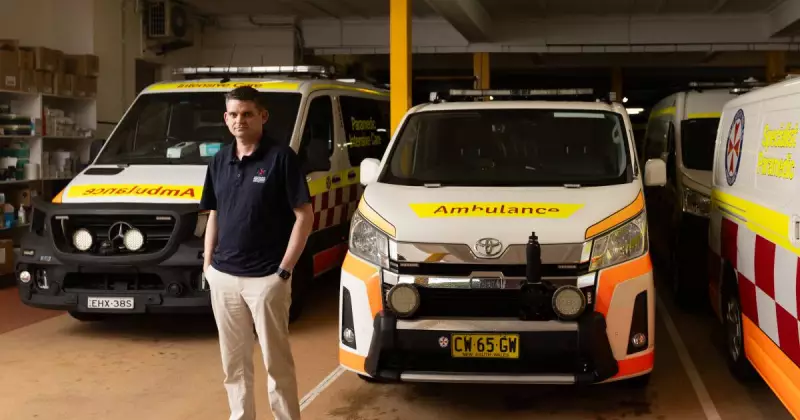
Brendan McIlveen, Secretary of the Australian Paramedics Association (NSW), welcomed the additional resources. "It's great to have extra resources in the area," Mr McIlveen stated, noting the boost would allow for six extra paramedics for each day and night shift. He expressed hope that this would lead to faster ambulance responses to emergencies across the community.
Mr McIlveen highlighted that the new model was developed as a cost-effective solution to increase on-road staff without a major burden on taxpayers, moving away from funding vacancies primarily through overtime.
However, the union has "consistently held concerns" about the On-Duty Relief structure. These concerns centre on whether paramedics in this mobile team can access the same award benefits and entitlements as those based at permanent stations, and if the model provides a "safe and sustainable working environment."
"I'm sure we will be able to work through those issues," Mr McIlveen added, indicating ongoing discussions.
Trials, Reviews and the Human Impact
The IRC has given the green light for this new rostering model, approving an initial trial in Western Sydney before its expansion to the Hunter. The commission will conduct a review of the process over a three-month period.
According to NSW Ambulance, early benefits observed in the trial include better access to meal breaks, more shifts finishing on time, and reduced pressure on paramedics to cover leave at stations outside their usual area.
For the paramedics on the front line, these changes address critical human needs. "We are human and we need breaks. We need to go to the toilet and get a chance to sit down and have something to eat," Mr McIlveen explained, acknowledging the intense pressure of the job. "It is a tough job we do on a daily basis. We're out there looking after the community."
Despite the concerns, Mr McIlveen sees potential in the model, describing it as "a good model, but it just needs different aspects to be strengthened." He predicted that, if successful, it could be rolled out on a statewide basis, ultimately improving conditions for paramedics and the emergency care delivered to communities across New South Wales.