In the heart of the Scottish Highlands, a historic castle holds a series of breathtaking surprises that defy its rugged location. Brodie Castle, the ancestral seat of the Brodie clan for over four centuries, is far more than a traditional stone fortress. It's a treasure trove of unexpected artistry, global connections, and horticultural fame that captivates every visitor.
An Architectural Marvel in the Highlands
Stepping into the dining room of Brodie Castle is a moment of genuine astonishment. Gazing upwards, visitors are met not with simple Highland plasterwork, but with an intricately carved, Mediterranean-style ceiling of remarkable flamboyance. Crafted by travelling artisan salesmen from the Mediterranean, the plasterwork is so skilfully executed it convincingly mimics wood.
The ceiling protrudes with mythical figures representing the four classical elements of nature—earth, air, fire, and water. While it may not rival the Sistine Chapel, this extraordinary feature is a highlight of the guided tour, expertly led by knowledgeable guides like Jamie Barron. It stands as a powerful testament to the eclectic tastes and far-reaching influences of the Brodie family.

The salmon-pink painted castle, built in a Z-plan defensive style in the 1560s, was gifted to the National Trust for Scotland in 1978 by the last resident laird, Ninian Brodie. He spent his final years in a flat within the castle, a wing now available as holiday accommodation. Portraits of Ninian, often depicted in his signature bow tie and kilt, adorn the walls alongside other clan members.
Treasures from Across the Empire
The castle's interior is a lavish museum of global artefacts, many linked to the Brodie family's involvement with the East India Company. Their roles in the British colonisation of the Indian subcontinent amassed fortunes, which were lavished on the estate and its contents.
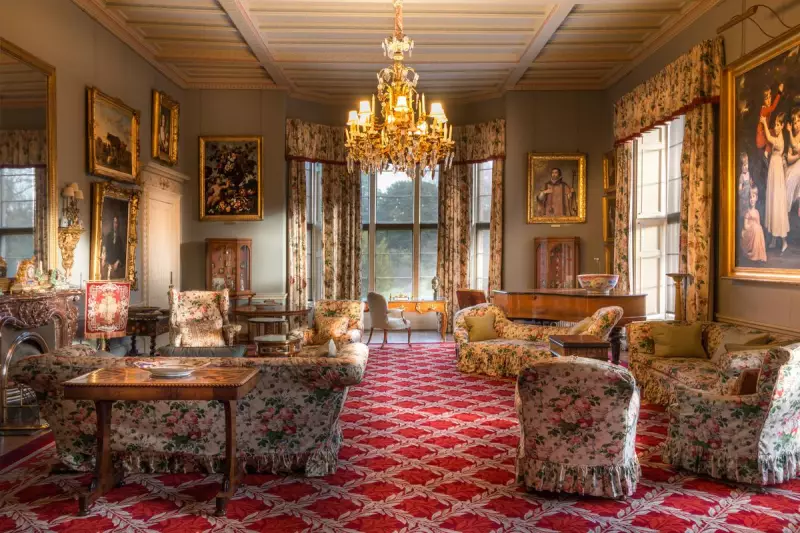
Rooms are filled with Dutch Golden Age paintings, Japanese ceramics, embroidered chaise longues, and an oak-clad library housing 6,500 books, most bound in leather. A temporary exhibition space during our visit showcased decorative elephant ivory from South Asia, including a stunning peacock table from Sri Lanka.
One poignant artefact is a large portrait by renowned Georgian artist John Opie. It depicts Ann Brodie and her seven children, who sailed back to Britain after the death of her husband, James, in Chennai (then Madras). James had built a mansion there, also named Brodie Castle, which today houses Chennai's School of Carnatic Music.
A Legacy in Bloom: The Brodie Daffodils
Beyond the castle walls, the 71-hectare estate offers parkland, woods, and gardens with their own unique story. For families, Scotland's largest bunny sculpture in the Playful Garden is a major draw. For gardening enthusiasts, the legacy of the 24th Laird, Major Ian Brodie, is unparalleled.
A World War One veteran, Major Ian was a prolific daffodil breeder. He created thousands of hybrids, but only 185 met his exacting standards. These "Brodie Daffodils" were so successful that they have been cultivated worldwide, with specimens found as far away as the United States and Australia. Visiting in the northern spring offers a chance to see over 100 varieties in vivid yellow bloom.
Brodie Castle is located near Forres in Moray, between Inverness and Elgin. It is a premier attraction in the Moray Speyside region, famous for its whisky distilleries. The castle grounds are open daily year-round, with the castle itself typically open from March to November. Admission, which includes a one-hour guided tour, is £16 for adults, £14 for concessions, and £9 for children.