Groundbreaking scientific research is revealing the powerful, tangible benefits of music and dance for our brains, offering a compelling strategy to combat cognitive decline and promote healthy ageing.
The Symphony Inside Your Skull
Experts from the Australian National University (ANU) and University of Canberra are leading the charge in understanding this fascinating connection. Their work shows that engaging with music isn't just a pleasant pastime; it's a form of cognitive training that can enhance memory, attention, and executive function.
According to Professor Kim Cunio from ANU, the act of listening to or creating music activates a remarkably wide network within the brain. "When you're engaged with music, you're not just using one part of your brain," he explains. "You're lighting up areas involved in hearing, motor control, emotion, and memory all at once." This complex, whole-brain workout is believed to build cognitive reserve, making the brain more resilient to age-related damage.

Dance: The Ultimate Brain-Body Workout
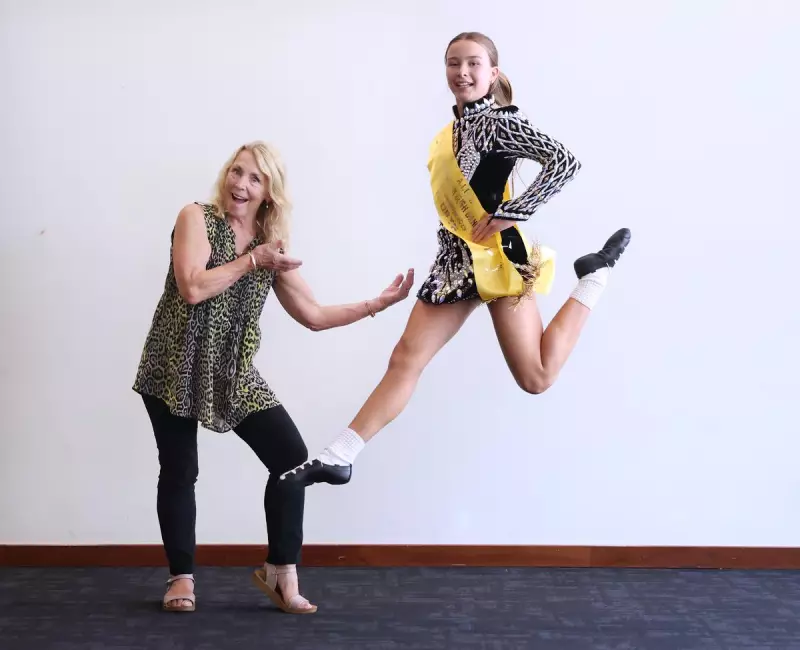
If music is a brain workout, then dance is the ultimate cross-training session. Dr. Julie Burbery, a researcher at the University of Canberra, highlights dance as a uniquely potent activity because it simultaneously challenges the mind and body.
"Dance requires you to remember sequences, move in time with music, coordinate with a partner or group, and navigate space," Dr. Burbery says. This multifaceted demand creates new neural connections and strengthens existing ones. Studies indicate that regular dance practice can improve not just physical balance and strength, but also processing speed, working memory, and overall cognitive flexibility.
The social aspect of many dance forms adds another layer of benefit. Social interaction is a known protector against dementia, and combining it with physical and mental exercise creates a powerful triple-threat against cognitive decline.
Practical Steps for a Healthier, Sharper Mind
The research is clear: it's never too late to start. You don't need to be a professional musician or dancer to reap the rewards. The key is active, regular engagement.
For music: Consider learning a new instrument, joining a community choir, or simply making a habit of actively listening to complex music, focusing on different instruments or melodies. Professor Cunio suggests that singing, in particular, is highly accessible and beneficial.
For dance: Find a style you enjoy, whether it's ballroom, salsa, line dancing, or a contemporary class. The learning process is where the biggest cognitive gains are made. Dr. Burbery emphasises that the combination of rhythm, coordination, and social connection makes dance exceptionally effective.
The evidence is building a compelling case for integrating these joyful activities into our lives as a serious health strategy. By making music and dance a regular part of our routines, we're not just having fun—we're actively investing in a sharper, healthier, and more resilient brain for years to come.