Garlic for Gourmets: Best Varieties to Grow and Expert Cultivation Tips
Once considered a culinary faux pas, garlic has transformed from a social stigma to a gourmet essential. Fifty years ago, "smelling of garlic" was an insult, but today it signifies sophisticated cooking and intimate dining experiences. While stale garlic odours remain unpleasant, fresh garlic has become a cornerstone of modern Australian cuisine, evolving from a mere salad bowl rub to a featured ingredient in everything from casseroles to unconventional garlic ice-cream.
The Garlic Revolution: From Generic to Gourmet
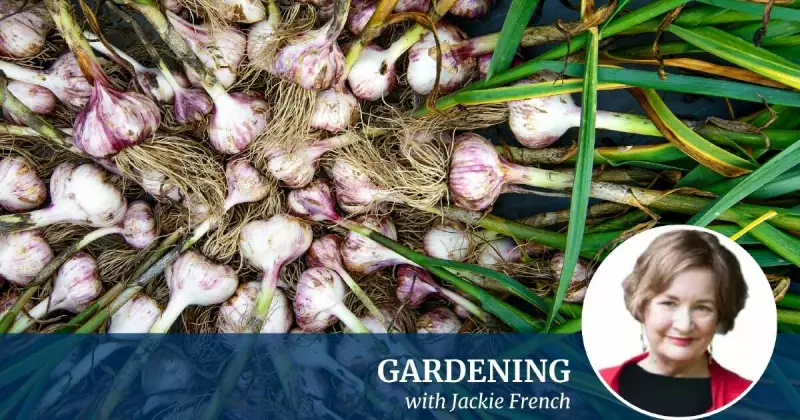
In decades past, garlic was simply "garlic" – the unnamed, often imported variety still found in supermarkets today. Typically bleached, irradiated, and chemically treated to prevent sprouting, this generic garlic offers pungent flavour but lacks the subtlety of fresh, locally grown alternatives. The true gourmet experience begins with fresh garlic harvested within three months, which delivers sweet, rich flavours that supermarket varieties cannot match.
Sophisticated cooks now seek named varieties with distinct characteristics – white, streaky purple, pale purple, or pink garlic available at farmers markets, backyard gardens, and gourmet kitchens. With over two dozen varieties now available in Australia, the time to select planting stock is now, as premium varieties sell out quickly despite planting not occurring until late February or March.

Top Garlic Varieties for Australian Gardens
Different garlic varieties thrive in different conditions, with some developed for warmer climates and others preferring cooler springs. Here are standout varieties that perform well in local conditions:
- Italian Pink: Australian-bred with classic Italian sharpness, this variety offers rich flavour when cooked. It matures in just 4-5 months, produces good-sized cloves with proper care, and stores exceptionally well for up to nine months. Its pink colouring and tolerance for both subtropical and cold conditions make it versatile for Australia's unpredictable spring weather.
- Australian Purple: One of the earliest maturing garlics, this variety offers exceptional sweetness with minimal harshness when used raw, making it perfect for fresh applications.
- Tasmanian Purple: Highly coloured but with shorter storage life of 4-6 months, this variety adds visual appeal to both garden and kitchen.
- Australian White: As the name suggests, this variety handles cold winters effectively while delivering reliable garlic flavour.
Note about black garlic: While not a distinct variety, black garlic results from aging regular garlic in gentle warmth for 4-7 months until cloves turn black and sticky, transforming pungency into complex sweetness. Home production carries botulism risks, so commercial black garlic prepared under controlled conditions remains the safest option.
Why Grow Your Own Garlic?
Given garlic's 6-9 month maturation period, weed-free soil requirements, careful harvesting needs, and extended drying time, why bother growing your own? The answer lies in flavour comparison. Once you taste truly fresh garlic or compare imported generic garlic to varieties like Italian Pink, the difference becomes undeniable. Fortunately, growing and harvesting proves less daunting than it initially appears.
Comprehensive Garlic Growing Guide
Successful garlic cultivation requires attention to several key factors:

- Soil Preparation: Garlic needs weed-free, well-drained soil without partially decomposed compost that might trigger rot. Ensure at least six hours of daily sunlight.
- Planting Technique: Plant individual cloves pointed side up, approximately 15cm apart and 5-10cm deep – deeper planting suits warmer weather conditions.
- Mulching and Feeding: Apply about 10cm of pea straw or similar mulch that won't compact. Feed young plants during initial months but cease feeding over winter and before harvest.
- Water Management: Water when soil dries out but stop as leaves begin yellowing during bulb ripening.
- Weed Control: Maintain weed-free conditions since garlic competes poorly with other plants.
- Stem Management: Remove curling stems that produce garlic seed, as these reduce bulb size. Limited harvesting of tender garlic greens is possible but excessive snipping diminishes clove development.
Harvesting and Storage Expertise
Harvest when approximately two-thirds of the stem has yellowed – waiting too long risks bulb splitting. Handle bulbs gently during harvest, setting aside damaged specimens for immediate use. Hang remaining garlic in bunches by their stems in cool, dark, dry locations for 4-6 weeks of drying. A shed works perfectly unless you desire garlic-scented spare rooms.
Once fully dry, cut stems or create decorative plaits. Store in mesh bags or hang plaits/bunches away from stoves where moisture causes rotting. Avoid kitchen storage except for currently used bulbs, as warmth encourages germination that turns garlic bitter. Even decorative garlic plaits above stoves eventually rot or sprout.
Personal Garlic Journey
The author confesses to still possessing supermarket garlic purchased during the "garlic drought" between local harvests, noting the imported cloves have likely deteriorated to dust by now. Tomorrow's lunch features home-grown salad with finely chopped raw Italian Pink, while dinner includes gravy enriched with garlic sautéed until soft and sweet in olive oil – ensuring both meal and husband carry gentle garlic essence.
Beyond garlic cultivation, the author shares current gardening activities: installing fruit fly netting against heat waves and pests; using the iNaturalist app to identify unusual insects; admiring public landscape plantings that might inspire home gardens; appreciating salvias that withstand extreme conditions while attracting pollinators; timing fertilizer applications before substantial rain; and accepting that early apples primarily benefit fruit bats rather than human consumption during abundant stone fruit season.