Wildlife Collisions in Geelong Surge 87% Amid Urban Growth Boom
Wildlife collisions in the Geelong region have experienced a dramatic surge, increasing by a staggering 87% over the past five years, according to recent data analysis. This alarming rise is directly linked to the rapid expansion of urban areas, which has led to significant habitat loss for native animals, forcing them into closer contact with human infrastructure and roadways.
Drivers of the Surge in Wildlife Collisions
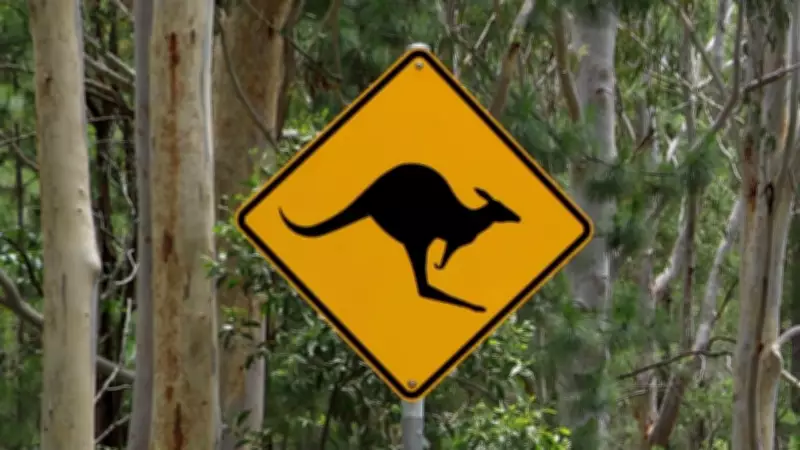
The primary factor behind this surge is the booming urban growth in Geelong, with new housing developments and infrastructure projects encroaching on natural habitats. As green spaces shrink, native species such as kangaroos, wallabies, and various bird populations are increasingly displaced, leading them to cross roads more frequently in search of food and shelter. This has resulted in a sharp uptick in vehicle-animal collisions, posing risks to both wildlife and motorists.
Local authorities have noted that the problem is particularly acute during dawn and dusk, when many animals are most active. The lack of adequate wildlife corridors and crossing points exacerbates the issue, as animals are forced to navigate busy roads without safe passage options. This not only endangers the animals but also increases the likelihood of accidents, potentially causing injuries or fatalities among drivers and passengers.

Impact on Native Species and Community Safety
The surge in collisions has had a devastating impact on local wildlife populations, with many species facing increased mortality rates. Conservationists warn that this trend could lead to long-term ecological imbalances, affecting biodiversity in the Geelong area. For instance, the loss of key species like kangaroos can disrupt local ecosystems, as they play crucial roles in seed dispersal and vegetation management.
From a community safety perspective, the rise in wildlife collisions poses significant risks. Accidents involving larger animals, such as kangaroos, can cause substantial vehicle damage and serious injuries to occupants. This has prompted calls for improved road safety measures, including better signage, reduced speed limits in high-risk areas, and the installation of wildlife-friendly infrastructure like underpasses or overpasses.
Calls for Urgent Action and Solutions
In response to the crisis, environmental groups and local residents are urging government bodies to take immediate action. Proposed solutions include:
- Implementing stricter urban planning regulations to preserve wildlife habitats and create buffer zones between developments and natural areas.
- Investing in wildlife corridors and crossing structures to allow safe passage for animals across roads.
- Launching public awareness campaigns to educate drivers about high-risk zones and safe driving practices during peak wildlife activity times.
- Enhancing data collection and monitoring to track collision hotspots and inform targeted interventions.
Experts emphasize that a collaborative approach is essential, involving local councils, state authorities, and community stakeholders. By addressing the root causes of habitat loss and improving infrastructure, it may be possible to mitigate the surge in wildlife collisions and protect both native species and public safety in Geelong.
As urban growth continues to reshape the region, the need for sustainable development practices has never been more critical. Balancing expansion with conservation efforts will be key to ensuring a safer environment for all inhabitants, human and animal alike.