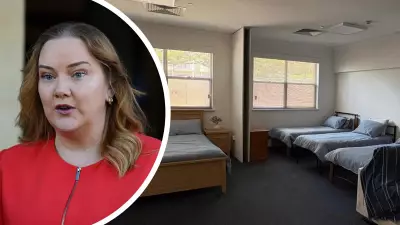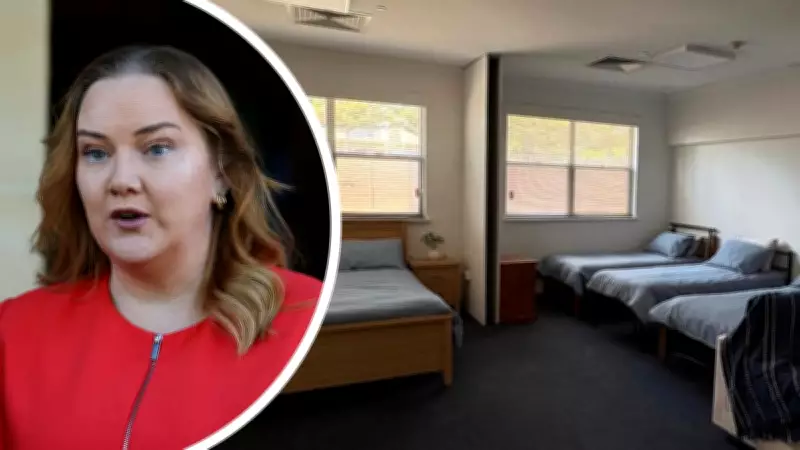
Temporary Refuge Opens in Perth as Stirling Women's Centre Prepares for $22.6m Upgrade
A temporary refuge for women and children escaping family and domestic violence has officially opened in Perth's northern suburbs. This development comes as the long-standing Stirling Women's Centre prepares for a comprehensive $22.6 million redevelopment and expansion project that will transform its facilities.
Historic Centre Makes Way for Modern Facility
The Stirling Women's Centre, which has operated for nearly five decades under City of Stirling management, is currently being demolished to clear space for a new purpose-built facility. To facilitate this significant redevelopment, all existing clients have been carefully relocated to a refurbished State-owned property that now serves as the temporary refuge.
Construction of the new, modern facility is projected to take approximately two years to complete. During this period, the temporary refuge will ensure that women and children fleeing dangerous domestic situations continue to have immediate access to safe accommodation and support services.

Government Commitment to Domestic Violence Support
According to Prevention of Family and Domestic Violence Minister Jessica Stojkovski, the State Government has demonstrated substantial commitment to addressing domestic violence accommodation needs. Since 2017, the government has constructed 91 new refuge units specifically for domestic violence survivors, with an additional 102 units currently in various stages of planning and development.
Minister Stojkovski emphasized the critical importance of maintaining safe havens throughout the redevelopment process. "Throughout the redevelopment phase, women and children must have a safe haven — a place to breathe, recover and rebuild," she stated. "The redevelopment, which is due to begin this year, will assist more women and children escaping family and domestic violence, significantly increasing the capacity from five rooms to 16 new independent units."
Architectural Design and Funding
The ambitious redevelopment project has been designed and is being led by Perth architectural firm Whitehaus. The design incorporates an innovative "core and cluster" model that combines self-contained accommodation units with centralized access to comprehensive on-site support services. This approach aims to cater to diverse community needs while maintaining privacy and independence for residents.
The $22.6 million project is being primarily funded by the State Government, reflecting its prioritization of domestic violence support infrastructure. The redevelopment represents a significant investment in creating safer, more supportive environments for vulnerable women and children across Western Australia.
Systemic Challenges in Domestic Violence Response
A recent review conducted by the WA Ombudsman into family and domestic violence in Western Australia revealed concerning gaps in the current protection system. The review analyzed the State's handling of family violence incidents in November 2024, during which 2,738 incidents were reported to police authorities.
The investigation found that 61 percent of these cases were identified as high-risk situations. However, the Multi-Agency Case Management process, which should have guided the coordinated response to these high-risk cases, was followed in only 2.5 percent of instances. This indicates that nearly all women and children deemed at high risk were slipping through the cracks of the system intended to protect them.
Political Support for the Project
Scarborough MLA Stuart Aubrey has voiced strong support for both the temporary refuge and the redevelopment project. He stressed the absolute necessity for accessible, high-quality services for women and children fleeing family and domestic violence situations. Aubrey welcomed the initiatives as important steps toward addressing critical gaps in domestic violence support infrastructure in the region.

The temporary refuge opening and the forthcoming Stirling Women's Centre redevelopment represent significant milestones in Western Australia's ongoing efforts to combat domestic violence and support survivors. These developments come at a crucial time when systemic reviews have identified substantial shortcomings in current protection mechanisms, highlighting the urgent need for enhanced facilities and services.