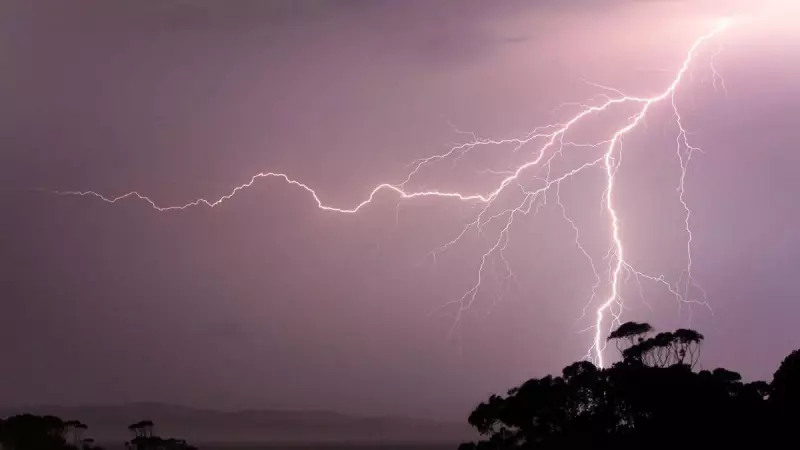
The Bureau of Meteorology has issued a severe weather warning for Western Australia, with a line of dangerous thunderstorms expected to bring destructive winds to the state's northern regions on Friday, 9 January 2026.
Storm Cells Target Pilbara and Kimberley
In an alert issued at 4:33pm, the Bureau warned communities in the inland Pilbara and north-eastern Kimberley to prepare for severe conditions. Meteorologists indicated that thunderstorms developing over the inland Pilbara within a hot and unstable air mass are capable of producing localised damaging wind gusts.
Further north, a maturing line of thunderstorms over the northeast Kimberley also poses a significant threat of damaging winds. Key locations likely to be affected include Kununurra and Wyndham. The severity of the system was underscored by a wind gust of 119 km/h recorded at Eliwana Airport at 3:18 pm.

Critical Safety Advice for Residents
The Department of Fire and Emergency Services has urged people in the warning area to take immediate precautions to ensure their safety.
If you are outdoors, you should seek safe shelter immediately, staying well clear of trees, power lines, storm water drains, and streams. Once indoors, close your curtains and blinds and stay away from windows. It is also advised to unplug electrical appliances and avoid using landline telephones if lightning is present.
For those in areas prone to flooding, a practical tip is to create makeshift sandbags using pillowcases filled with sand, placing them around doorways to help protect your home.
Travel and Outdoor Warnings
The emergency advice extends to travel and recreational activities. Anyone boating, swimming, or surfing should leave the water without delay. Motorists are warned not to drive into water of unknown depth or current.
If you must drive, slow down, turn on your headlights, and stay alert for hazards such as fallen power lines and loose debris on the road. In cases of extremely heavy rain where visibility is near zero, the safest action is to pull over, park, and turn on your hazard lights until the conditions clear.
Residents are encouraged to monitor the official Bureau of Meteorology channels for ongoing weather updates and warnings as the situation develops.