Cairns Water Supply: Tunnel Hill Treatment Plant Operations Detailed
In the tropical city of Cairns, the Tunnel Hill Water Treatment Plant stands as a critical component of the region's water infrastructure, ensuring a reliable and safe supply for residents and businesses. This facility plays a pivotal role in processing raw water from local sources, transforming it into potable water that meets stringent health standards. Understanding its operations sheds light on the complexities of urban water management in Far North Queensland.
Key Functions of the Tunnel Hill Plant
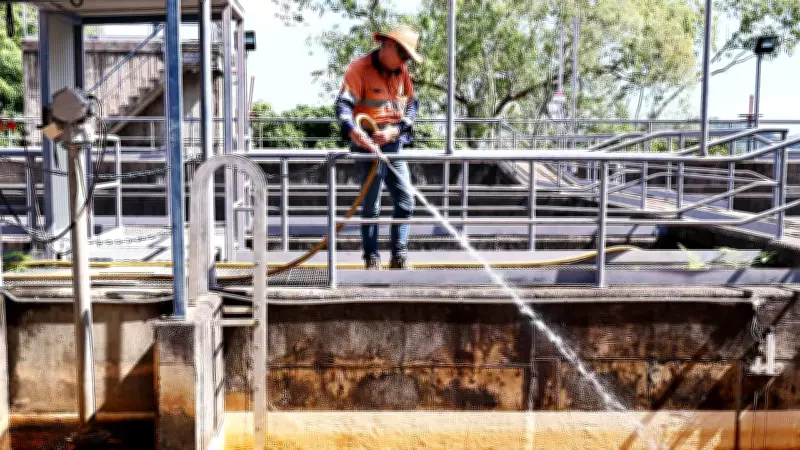
The Tunnel Hill Water Treatment Plant is designed to handle significant volumes of water, with a capacity that supports the growing demands of the Cairns area. Its primary functions include filtration, disinfection, and quality monitoring, all essential steps in producing clean drinking water. The plant utilizes advanced technologies to remove impurities and pathogens, adhering to strict regulatory guidelines set by Queensland authorities. This process involves multiple stages, from initial screening to final chlorination, ensuring that every drop meets safety benchmarks before distribution.
Operational Capacity and Regional Impact
With a robust operational framework, the Tunnel Hill plant can process millions of litres of water daily, catering to the needs of Cairns and surrounding communities. Its efficiency is crucial during peak usage periods, such as the wet season or tourist influxes, when water demand spikes. The plant's role extends beyond mere treatment; it also involves continuous monitoring and maintenance to prevent disruptions. This proactive approach helps mitigate risks associated with water shortages or contamination, contributing to the region's resilience against environmental challenges.

Challenges and Innovations in Water Treatment
Operating in a region prone to heavy rainfall and cyclonic activity, the Tunnel Hill plant faces unique challenges, including managing turbidity and ensuring consistent water quality. To address these, the facility incorporates innovative solutions, such as real-time monitoring systems and adaptive treatment processes. These advancements allow for quick responses to changing conditions, maintaining a steady supply even during adverse weather events. Additionally, ongoing upgrades and staff training ensure that the plant remains at the forefront of water treatment technology, safeguarding public health.
Community and Environmental Considerations
The Tunnel Hill Water Treatment Plant not only focuses on operational efficiency but also emphasizes environmental stewardship and community engagement. Efforts are made to minimize the plant's ecological footprint through sustainable practices, such as energy-efficient systems and waste reduction. Public awareness initiatives help educate residents about water conservation and the importance of the treatment process, fostering a collaborative approach to resource management. This holistic strategy underscores the plant's commitment to supporting both the community and the natural environment in Cairns.
In summary, the Tunnel Hill Water Treatment Plant is a vital asset for Cairns, ensuring a dependable water supply through sophisticated operations and continuous improvement. Its role in regional water security highlights the importance of modern infrastructure in sustaining urban growth and environmental health.