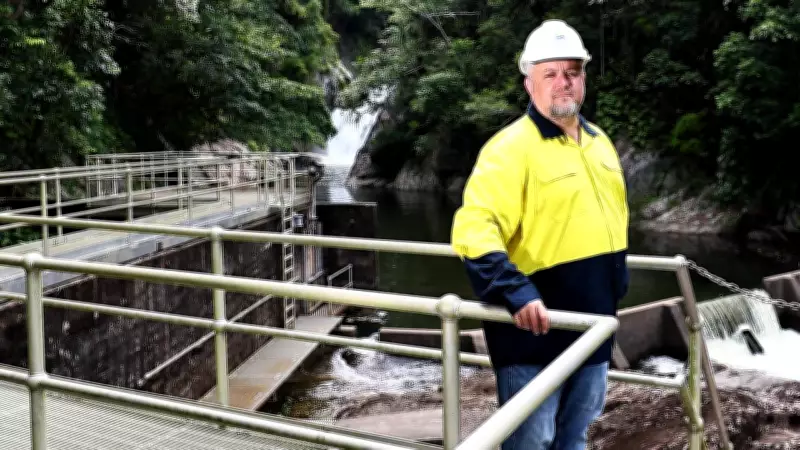
Cairns Water Supply Faces Critical Vulnerability at Freshwater Creek Intake
The water supply for the Cairns region is under scrutiny as significant vulnerabilities at the Freshwater Creek intake have been exposed, raising alarms about the reliability of this essential resource. Freshwater Creek serves as the primary water source for Cairns, supplying thousands of residents and businesses, but aging infrastructure and environmental factors are compromising its stability.
Aging Infrastructure and Environmental Threats
The intake infrastructure at Freshwater Creek is reportedly outdated and susceptible to damage from natural events such as floods, cyclones, and sedimentation. Over the years, wear and tear have reduced its efficiency, making it less resilient to extreme weather conditions that are common in tropical North Queensland. Experts warn that without urgent upgrades, the system could fail during severe weather, leading to potential water shortages.
Environmental changes, including increased rainfall variability and rising temperatures, are exacerbating these risks. Sediment buildup from erosion in the catchment area can clog the intake, reducing water flow and quality. Additionally, the threat of contamination from agricultural runoff or industrial activities in the region adds another layer of vulnerability, posing health risks to the community.

Community and Economic Implications
The vulnerability of the Freshwater Creek intake has far-reaching implications for Cairns. A disruption in water supply could impact not only households but also critical sectors such as tourism, agriculture, and healthcare. Cairns, as a major tourist destination, relies on a stable water supply to support hotels, restaurants, and recreational facilities. Any interruption could harm the local economy, which is heavily dependent on tourism revenue.
Residents are expressing growing concern over the potential for water restrictions or outages, especially during peak demand periods. Community leaders are calling for transparent communication from authorities and immediate action to address the infrastructure deficiencies. Public health officials emphasize the importance of maintaining water quality to prevent outbreaks of waterborne diseases.
Proposed Solutions and Future Outlook
To mitigate these risks, proposals include upgrading the intake infrastructure with modern, resilient materials and implementing advanced monitoring systems to detect issues early. Water management strategies, such as diversifying water sources or enhancing storage capacity, are also being considered to reduce reliance on Freshwater Creek. Collaboration between local government, environmental agencies, and community stakeholders is crucial for developing a sustainable plan.
Long-term, climate adaptation measures must be integrated into water management policies to address the increasing frequency of extreme weather events. Investing in research and technology can help predict and manage risks more effectively. Ensuring a reliable water supply is vital for Cairns' future growth and resilience, making this issue a top priority for regional planning.
In summary, the vulnerability of the Freshwater Creek intake highlights a critical need for investment and innovation in Cairns' water infrastructure. Addressing these challenges promptly will safeguard the community's health, support economic stability, and enhance environmental sustainability in the region.