Cairns Council Urges Community to Prepare for Water Restrictions
Cairns Regional Council has issued a call to action for residents to ready themselves for potential water restrictions as the region faces ongoing dry conditions. The council is emphasizing the importance of proactive conservation measures to ensure a stable water supply during this period of reduced rainfall.
Council's Warning and Community Response
The council has highlighted that current weather patterns, characterized by lower-than-average precipitation, could necessitate the implementation of water restrictions if the situation does not improve. Officials are urging households and businesses to adopt water-saving practices immediately to mitigate the risk of shortages.
Key recommendations from the council include:

- Reducing outdoor water usage, such as limiting garden irrigation and car washing.
- Fixing any leaks in plumbing systems to prevent wastage.
- Using water-efficient appliances and fixtures to minimize consumption.
These steps are seen as crucial in building resilience against potential drought conditions and ensuring that water resources are managed sustainably.
Impact on Local Environment and Infrastructure
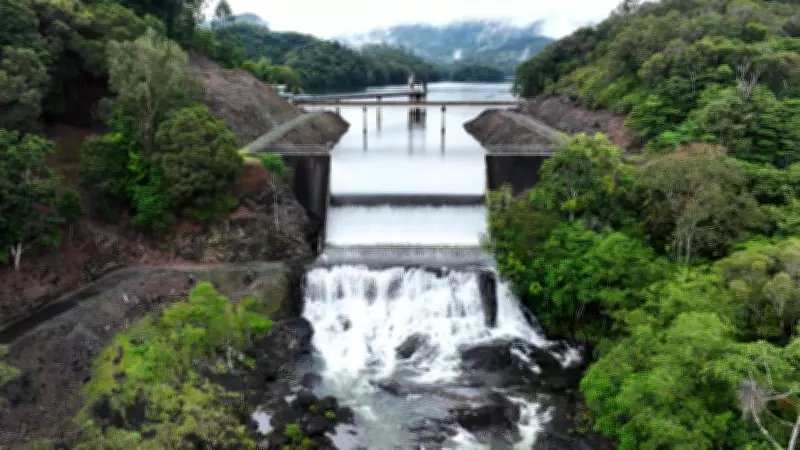
The dry spell is not only affecting water availability but also posing challenges to the local environment and infrastructure. Reduced water levels in reservoirs and rivers could impact ecosystems and agricultural activities in the Cairns area.
Council representatives have stated that early preparation is essential to avoid more severe restrictions later, which could disrupt daily life and economic activities. They are monitoring water levels closely and will provide updates as conditions evolve.
Long-Term Strategies and Community Involvement
Beyond immediate measures, the council is exploring long-term strategies to enhance water security, such as investing in infrastructure upgrades and promoting community education on conservation. Residents are encouraged to participate in council-led initiatives and share tips on reducing water usage.
By working together, the community can help safeguard this vital resource and adapt to changing climatic conditions, ensuring a reliable water supply for future generations.