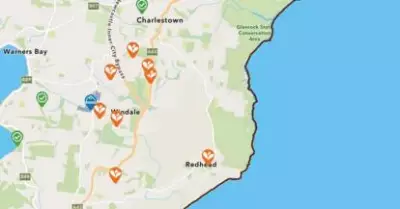
Researchers in North Queensland are turning to marine forensics to locate deadly box jellyfish, a breakthrough that could save lives and enhance understanding of these dangerous creatures.
Innovative approach to jellyfish detection
Scientists from James Cook University and other institutions have developed a method using environmental DNA (eDNA) to detect the presence of the deadly box jellyfish (Chironex fleckeri) in coastal waters. This technique, akin to forensic science used in crime scenes, allows researchers to identify jellyfish without needing to see them physically.
How marine forensics works
The process involves collecting water samples from the ocean and analyzing them for traces of jellyfish DNA. These genetic markers can reveal whether box jellyfish are present in the area, even in low numbers. The method is particularly useful in murky waters where visual detection is difficult.

Dr. Lisa-ann Gershwin, a leading jellyfish expert, highlighted the significance of this approach. “This is a game-changer for jellyfish research. We can now track their movements and predict where they might appear, which is crucial for public safety,” she said.
Seasonal patterns and safety implications
Box jellyfish are most active during the stinger season, typically from November to May in North Queensland. Their venom can cause cardiac arrest and death within minutes, making early detection vital. The new forensic method could help authorities issue more accurate warnings and close beaches when necessary.
Dr. Gershwin added, “By understanding their distribution, we can better protect swimmers and reduce the risk of fatal encounters.”
Broader applications for marine research
Beyond jellyfish, the eDNA technique is being adapted for other marine species, including harmful algae and invasive pests. This technology offers a non-invasive way to monitor biodiversity and ecosystem health.
The research team plans to expand the use of marine forensics across the Great Barrier Reef, aiming to create a comprehensive map of jellyfish hotspots. This initiative is supported by local councils and tourism bodies, who see it as a means to boost beach safety without harming marine life.
As climate change alters ocean conditions, the need for such tools grows. Warmer waters may extend the stinger season, making proactive monitoring even more critical.