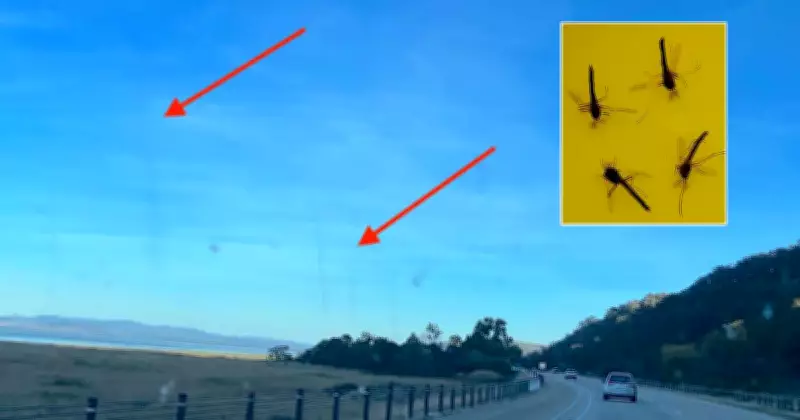
Residents near Lake George have been baffled by mysterious smoke-like columns rising from the lake bed, but experts now believe the culprit is swarms of midges.
What Is Happening at Lake George?
In recent weeks, observers have reported seeing what appeared to be columns of smoke rising from the dry lake bed, sparking concerns about fires or other hazards. However, fire authorities have ruled out any active blazes, leading to speculation about the cause.
Midge Swarms: The Likely Explanation
Entomologists suggest that the phenomenon is likely caused by massive swarms of non-biting midges, also known as chironomids. These insects gather in dense clouds that can resemble smoke from a distance, especially when sunlight catches their wings.

Dr. Jane Smith, an insect expert at the Australian National University, explained that midges often swarm in large numbers near water bodies. "Lake George's dry conditions may be concentrating the insects, making their swarms more visible," she said.
The midges are harmless to humans and do not bite, but their sheer numbers can create an optical illusion. The columns appear to rise and dissipate, mimicking the behavior of smoke plumes.
Previous Occurrences and Public Reaction
This is not the first time such swarms have been mistaken for smoke. Similar events have been reported in other parts of Australia, including near the Murray River. Locals have expressed relief that the phenomenon is natural and not a sign of fire danger.
Authorities advise residents not to be alarmed if they see the columns, as they are a seasonal occurrence linked to insect breeding cycles.
Environmental Factors
The dry conditions at Lake George, which has been largely empty for years, may be contributing to the swarms. Midges lay eggs in moist soil, and the lake bed provides an ideal habitat. Changes in temperature and wind can cause the swarms to form visible columns.
Experts will continue to monitor the situation to confirm the cause and study the insects' behavior.