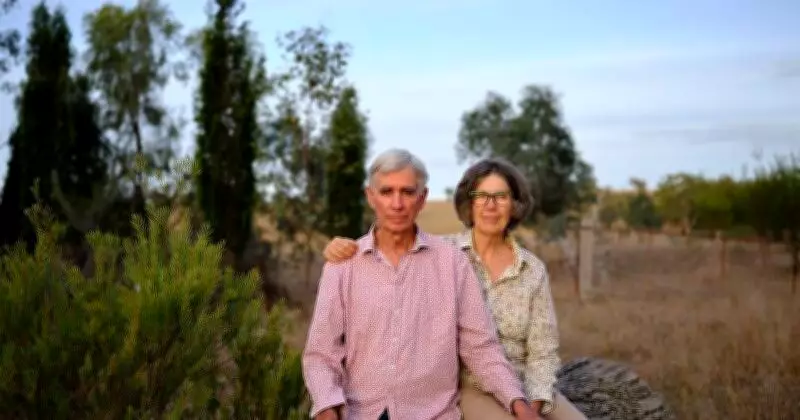
A legal challenge against a major coal mine expansion in the Upper Hunter Valley has escalated to Australia's highest court, with a local couple at the forefront of the fight. Wendy Wales and Tony Lonergan, who live on farmland surrounded by coal mines, have taken their case to the High Court after years of litigation.
Background of the Case
The Mount Pleasant open-cut coal mine near Muswellbrook is operated by MACH Energy Australia. The company plans to double its output and extend operations until 2048. The Denman Aberdeen Muswellbrook Scone Healthy Environment Group, led by Ms Wales, has been challenging this expansion. In July 2025, the NSW Court of Appeal ruled that the mine's approval was unlawful, stating that planning authorities must consider the climate impact of scope three emissions—those released when coal is burned, including overseas.
High Court Appeal
MACH Energy is now appealing that decision in the High Court, arguing the validity of the original approval. A company spokesperson said they welcome the opportunity to appear and will continue operating under existing approvals, aiming to provide long-term certainty for staff, contractors, and the community.

Ms Wales believes a favourable ruling could set a precedent and help shift Australia away from coal exports. She emphasised the need for every victory in the fight against climate change, stating that this case could provide courage to politicians to move away from export coal.
International Context
The hearing follows a landmark advisory opinion from the International Court of Justice, which specified that fossil fuel production could count towards a host country's emissions and constitute an internationally wrongful act. Bond University professor Nicole Rogers noted that while the opinion is not binding, it is influential, especially since Australia supported the request for it.
Professor Rogers also highlighted the growing acceptance of climate attribution science in legal proceedings, which links emissions from specific sources to particular climate impacts. Courts worldwide are grappling with whether legal systems can keep pace with the climate crisis and hold decision-makers accountable for approving fossil fuel projects.
The case underscores the ongoing tension between economic development and environmental protection, with the High Court's decision likely to have far-reaching implications for Australia's climate policy and fossil fuel industry.