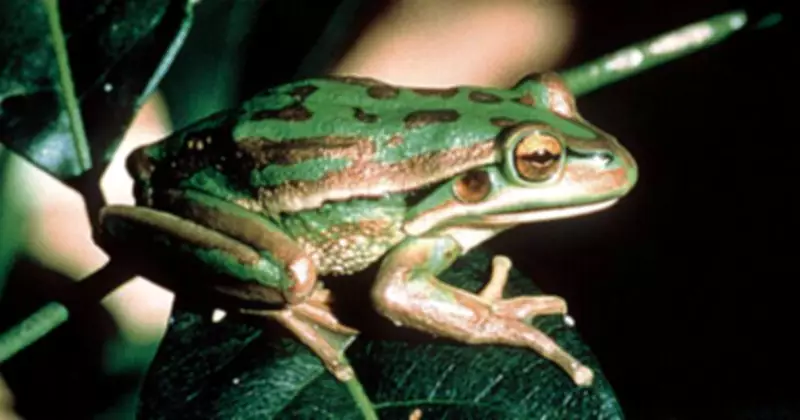
Researchers at the University of Newcastle have developed a rapid test for chytrid fungus, a deadly pathogen that has devastated frog populations globally. The innovative diagnostic tool aims to detect the fungus quickly and accurately, enabling faster responses to outbreaks.
Breakthrough in Amphibian Health
The chytrid fungus, scientifically known as Batrachochytrium dendrobatidis, has been linked to the decline and extinction of numerous amphibian species. Traditional testing methods are time-consuming and require specialized equipment, delaying crucial conservation efforts. The new test, however, can provide results in under an hour, using a simple field-based kit.
How the Test Works
The rapid test uses a technique called loop-mediated isothermal amplification (LAMP) to detect the fungus's DNA. This method is highly sensitive and specific, reducing the risk of false positives. The test can be performed on skin swabs from frogs, making it non-invasive and easy to use in remote locations.

- Speed: Results in less than 60 minutes.
- Accuracy: High sensitivity and specificity.
- Portability: Equipment fits in a backpack, ideal for fieldwork.
Global Implications
Chytridiomycosis, the disease caused by the fungus, has been described as the most destructive infectious disease ever recorded among vertebrates. It has affected over 500 amphibian species and caused population declines in at least 200. The rapid test could revolutionize how conservationists monitor and manage outbreaks, potentially saving species from extinction.
Conservation Efforts
Dr. Kaya Klop-Toker, lead researcher on the project, emphasized the importance of early detection. "With this test, we can identify infected frogs before they show symptoms, allowing for quarantine or treatment measures to be implemented immediately," she said. The team is now working with wildlife agencies to deploy the test in high-risk areas.
The development comes as part of a broader effort to combat amphibian declines. The University of Newcastle has been at the forefront of chytrid research, with previous studies focusing on treatment options and the fungus's spread.
Future Directions
The researchers are also exploring the use of the test for other wildlife diseases, including those affecting reptiles and mammals. They hope to adapt the LAMP technology for a range of pathogens, making it a versatile tool for conservation biology.
Funding for the project was provided by the Australian Research Council and the NSW Department of Planning and Environment. The test is expected to be commercially available within the next two years, with a portion of proceeds going towards frog conservation programs.