Trump Announces Two-Week Ceasefire with Iran, Averting Imminent Strikes
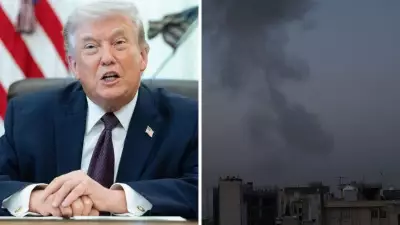
Donald Trump has confirmed a two-week "double-sided ceasefire" with Iran, stepping back from planned military strikes just hours before a looming deadline that had sparked fears of mass civilian casualties. The announcement followed last-minute diplomatic efforts and came shortly before Trump's ultimatum was set to expire, in which he warned "a whole civilisation will die tonight, never to be brought back again."
Ceasefire Pauses Immediate Action but Risks Remain
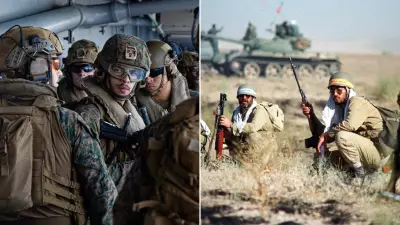
While the ceasefire has paused immediate military action, experts say the warnings in the lead-up reveal what could happen if tensions escalate again or future deadlines are imposed. In the final hours before the agreement, military analysts warned "collateral damage" would be an inevitable byproduct of any strike, even as civilians formed human chains around key infrastructure in a bid to deter attacks.
Expert Assessments on Civilian Harm
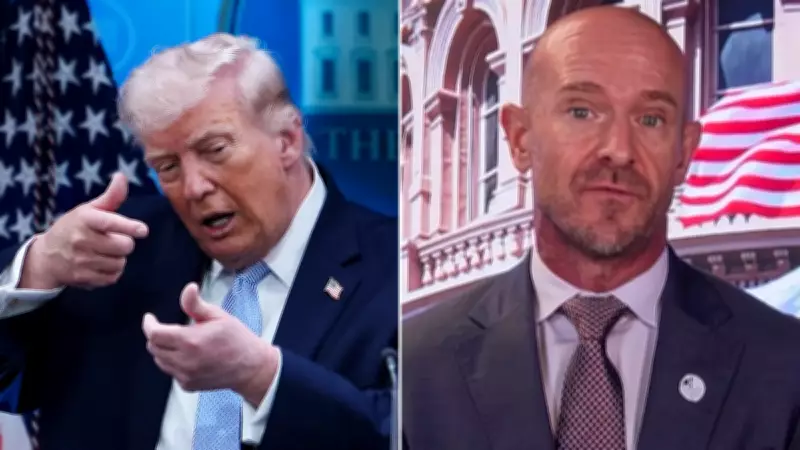
Former Navy SEAL Mike Sarrille delivered a blunt assessment when asked if civilians gathered in protest would die in such strikes. "Yes," he said without hesitation. Sarrille explained that while professional militaries work to avoid civilian harm, it cannot be eliminated entirely. "It's not black and white... we operate in shades of grey. Unfortunately, civilians end up in the line of fire. We do everything in our power to maintain their safety... that is part of being a professional soldier, that is part of following the rules of war," he stated.

He noted that expected targets would have included:
- Energy infrastructure
- Power plants
- Desalination facilities
- Key transport links
Military Strategy and Intentions
Retired Lieutenant General Richard Newton stressed that US forces do not deliberately target civilians, but acknowledged the inherent danger. "We should not be going after, nor have we ever gone after, deliberately civilian targets," Newton said. "In fact, my experience is we painstakingly avoid harm to civilians, and that's the right thing to do, but there's plenty of other targets within the regime for the United States and Israel to continue to go after."
Newton suggested the ultimatum had been designed to force Iran toward a deal, indicating the country was nearing an "endgame" in its ability to retaliate. "They have an opportunity here to come to some type of an agreement and maybe start with a ceasefire that they've already turned down," he added.
Criticism of Trump's Approach
Sarrille criticised the tone of Trump's comments, warning they risked inflaming tensions at a critical moment. "Probably not the best message to send within hours of potentially conducting massive offensive strikes," he said. Sarrille described the language as "very, very hyperbolic, very grandiose," adding it was not Trump's intent to target civilians directly. "That is just President Trump's style," he remarked.
Future Implications and Risks
While the ceasefire has paused immediate military action, the expert warnings in the lead-up highlight the significant risks civilians could face if similar strikes were to proceed in the future. The situation underscores the delicate balance between diplomatic pressure and military threats in international conflicts, with analysts noting that the reprieve may be temporary unless broader agreements are reached.