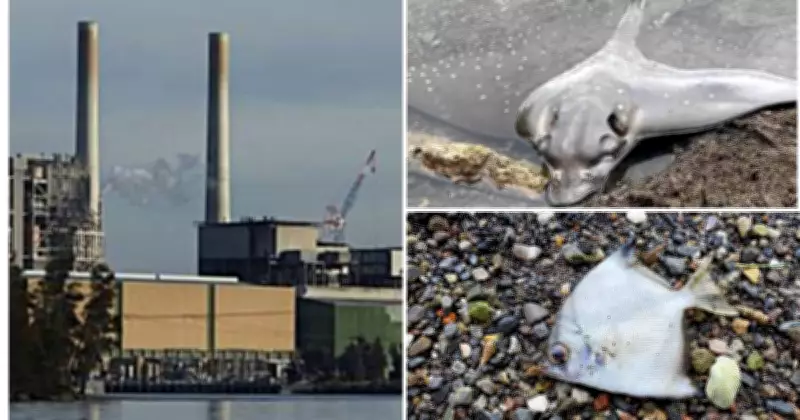
Environment Groups Demand Maximum Penalty for Vales Point Power Station in Fish Kill Case
Environmental organisations have formally requested the court to impose the maximum possible penalty on Vales Point Power Station, following a significant fish kill incident that has drawn widespread concern. The groups argue that the power station's actions have caused severe ecological damage, highlighting failures in regulatory compliance and environmental stewardship.
Details of the Fish Kill Incident
The incident, which occurred recently, involved a large-scale fish kill attributed to operations at Vales Point Power Station. According to reports, the discharge of pollutants or other operational factors led to the death of numerous fish in the surrounding waterways. This event has sparked outrage among local communities and environmental advocates, who are calling for stringent accountability measures.
The environmental groups have emphasised that this is not an isolated issue but part of a pattern of environmental harm associated with the power station. They point to previous incidents and ongoing concerns about the facility's impact on local ecosystems, including water quality and wildlife habitats.

Legal and Regulatory Context
In their court submission, the environment groups are pushing for the imposition of the maximum penalty under relevant environmental laws. They contend that such a penalty is necessary to deter future violations and to reflect the seriousness of the ecological damage caused. The case is being closely watched as it could set a precedent for how similar incidents are handled in the future.
The groups have also criticised regulatory bodies for what they perceive as inadequate oversight and enforcement. They argue that stronger penalties and more rigorous monitoring are essential to prevent recurrences and to protect Australia's natural resources.
Broader Implications for Environmental Policy
This case underscores broader issues in environmental policy and corporate responsibility. As climate change and industrial activities continue to pose threats to ecosystems, there is increasing pressure on companies to adopt sustainable practices and on governments to enforce stricter regulations.
- The outcome of this court case could influence future environmental litigation and policy reforms.
- It highlights the growing role of community and environmental groups in holding corporations accountable.
- The incident raises questions about the balance between energy production and environmental protection in Australia.
Environmental advocates are urging for a comprehensive review of industrial practices to mitigate such risks and ensure long-term ecological health. They stress that penalties alone are not enough and call for proactive measures to prevent environmental harm.