The BBC is set to broadcast the 2026 FIFA World Cup from its Salford studios, a decision that has sparked debate as the tournament takes place across the United States, Mexico, and Canada. This marks a significant shift from previous years when the broadcaster sent its entire team to the host nation.
Cost-Saving Measures
By staying in Greater Manchester, the BBC expects to save several million pounds. Alex Kay-Jelski, the director of BBC Sport, confirmed that the move would also reduce carbon emissions by 19% compared to the 2022 Qatar World Cup. He defended the decision, stating that it would be difficult to justify spending on a studio in Dallas when the same quality can be achieved from the UK.
State-of-the-Art Studio
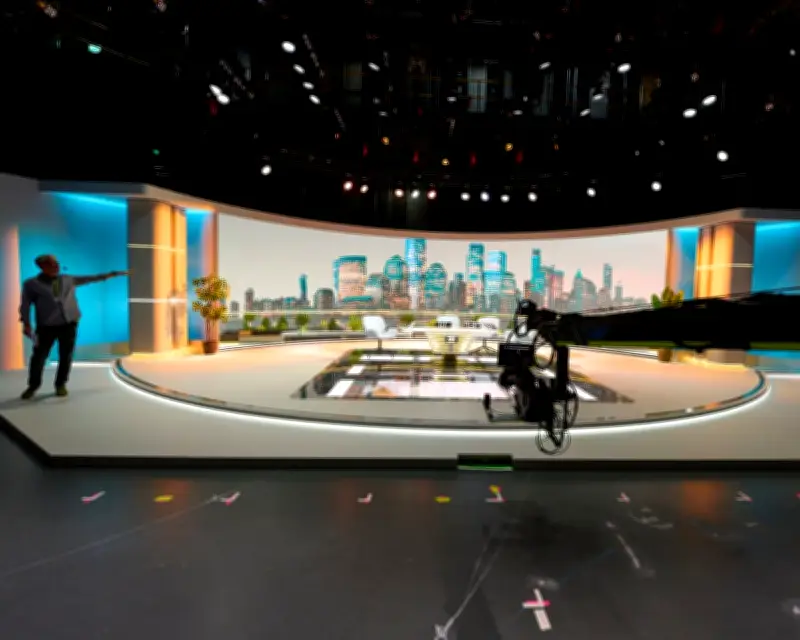
The BBC has built a new immersive studio in Salford, featuring a giant LED backdrop that can display any of the 16 host cities. Producers can even change the weather and time of day to match the conditions at each venue. Presenters Gabby Logan, Kelly Cates, and Mark Chapman will host matches from this facility, with pundits like Wayne Rooney and Micah Richards appearing on a simulated rooftop terrace complete with fans to create an outdoor feel.

Rival Broadcasters
In contrast, ITV will broadcast from a trendy Brooklyn studio with views of the Manhattan skyline. Gary Lineker, who left the BBC last May, has signed a £14 million deal with Netflix to stream daily episodes of his podcast The Rest Is Football from a studio overlooking Times Square. Lineker had been set to front his seventh World Cup for the BBC but left after a dispute over his social media posts. He commented that he would have been in Salford in a green box, but now he is in New York City with great guests.
Punditry and Analysis
The BBC’s coverage will feature pundits including Alan Shearer, Danny Murphy, Scott Brown, Rachel Corsie, and Olivier Giroud. Shearer and Richards will also appear on Lineker's podcast, though the BBC has clarified it will not fund presenters appearing on rival outlets. Kay-Jelski confirmed that no talent turned down the BBC due to the Salford location.
Challenges and Atmosphere
With some matches kicking off at 3am UK time, the BBC team will operate on a quasi-US time zone. Staff have been advised to rest adequately to avoid burnout before the quarter-finals in July. Critics, including The Telegraph, have derided the move as a work-from-home World Cup, and presenters Logan and Cates admitted they would prefer to be at the stadiums but endorsed the cost-saving approach.
Kay-Jelski acknowledged that perfection is unattainable but expressed confidence in the coverage. He stated, Right now I’m incredibly happy. It’s a six-week, high-profile tournament – we’re going to get some stuff wrong and we’re going to get hopefully way more right. There is not a world in which everything can be perfect, but I have no doubt we are doing more than ever before and it’s gonna be incredible.