A new report has sounded the alarm over what it describes as the 'pernicious privatisation' of special needs support in Australian schools, warning that outsourcing to private providers is creating a two-tiered system that disadvantages the most vulnerable students.
Report Highlights Growing Trend
The report, released by the Australian Education Union, found that an increasing number of schools are contracting private companies to deliver support for students with disabilities and additional needs. This shift, the union argues, undermines the public education system's commitment to equity and inclusion.
According to the report, private providers often operate with less oversight and accountability than public services, leading to inconsistencies in the quality of care. Parents have reported instances where their children received inadequate support or were turned away due to funding constraints.

Impact on Students and Families
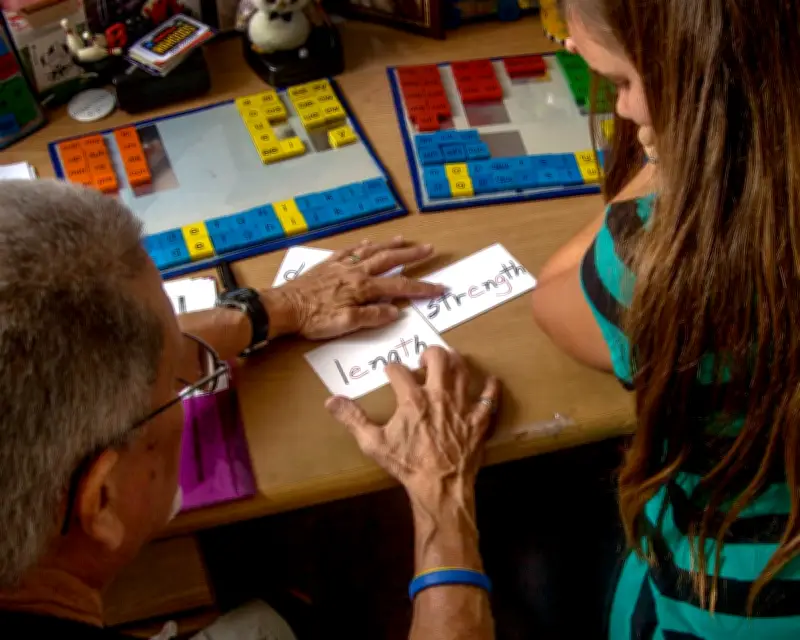
One parent, who wished to remain anonymous, shared her experience: 'My son has autism and requires one-on-one support. The private provider assigned to his school only offers limited hours, and we were told we'd need to pay extra for additional sessions. We simply can't afford it.'
The report also highlights that private companies are profit-driven, which can conflict with the best interests of students. 'When profit is the motive, corners are cut,' said a spokesperson for the union. 'We are seeing a rise in unqualified staff and a lack of continuity in support.'
Call for Government Action
The union is calling on federal and state governments to halt the privatisation trend and invest more in public special needs services. 'Every child deserves access to quality support, regardless of their parents' ability to pay,' the report states.
Education Minister Sarah Thompson acknowledged the concerns but defended the role of private providers. 'We are committed to ensuring all students receive the support they need. Private providers can offer innovative solutions and fill gaps in the system,' she said in a statement.
However, critics argue that the government's own data shows a decline in the quality of special needs education over the past decade, coinciding with increased privatisation. 'The evidence is clear: privatisation is not working,' said the union's president.
Broader Implications
The report also examines the broader implications of privatisation, including the impact on teachers and school resources. Teachers are reporting increased workloads as they try to compensate for gaps left by private providers. 'We are seeing burnout and turnover among special needs educators,' the report notes.
As the debate continues, families like the one interviewed remain caught in the middle. 'We just want what's best for our children,' the parent said. 'But it feels like the system is failing them.'