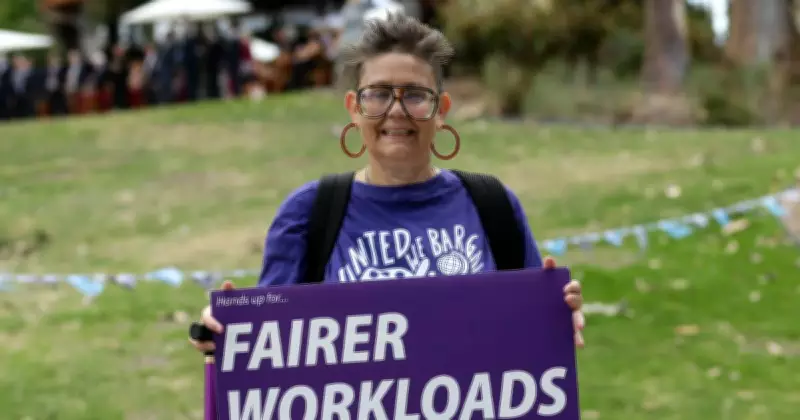
Dr. Tricia Pender, a respected academic and lecturer at the University of Newcastle, has made a startling revelation: she found her working conditions at the university more detrimental to her well-being than her terminal cancer diagnosis. In a candid interview, Dr. Pender described the intense pressure, lack of support, and bureaucratic hurdles that plagued her professional life, ultimately taking a greater toll on her mental and physical health than the disease itself.
A Harrowing Comparison
Dr. Pender, who has been battling terminal cancer, stated that the stress and toxicity of her workplace environment were far more damaging than her illness. She explained that while cancer was a physical battle she could face with courage, the daily grind of academia left her feeling defeated and isolated. “The cancer was something I could fight, but the university system broke me,” she said. Her comments have sparked a broader conversation about mental health and workplace culture in higher education.
The Impact of Workplace Stress
Dr. Pender detailed how excessive workloads, unrealistic expectations, and a lack of empathy from management exacerbated her condition. She noted that the constant pressure to publish, secure funding, and meet administrative demands left little room for self-care. “I was dealing with a life-threatening illness, yet I still had to worry about meeting deadlines and dealing with office politics,” she added. The psychological burden, she argued, was more debilitating than the physical effects of cancer treatment.

Call for Systemic Change
Her story has resonated with many academics who face similar challenges. Dr. Pender is now advocating for systemic changes to support staff well-being, including better mental health resources, reduced administrative burdens, and a more compassionate leadership approach. She hopes that by sharing her experience, universities will prioritize the health of their employees over productivity metrics.
Dr. Pender’s ordeal highlights a pressing issue in Australian universities: the need to address toxic work cultures that can have severe consequences on staff health. Her bravery in speaking out serves as a wake-up call for institutions to reevaluate their priorities and create environments that foster both academic excellence and personal well-being.