Canberra's Innovative Micro-School: Why Just 64 Students is a Strength
As Canberra prepares for the 2026 academic year, one of its newest educational institutions is breaking the mould with a deliberately small enrolment. Connections High School, set to open in February 2026, will welcome just 64 students across its entire cohort. This limited capacity is not a shortfall but a core component of the school's innovative design and educational philosophy.
A School Built on Flexibility and Support
After years of meticulous planning, Connections High School is poised to offer a radically different learning environment. The independent school will operate with one class per high school year level, each capped at a maximum of 16 students. This intimate setting is specifically tailored for young people who thrive outside mainstream educational structures.
The school caters to students who may experience anxiety, identify as neurodivergent, have previously avoided school, or simply require more individualised attention. Principal Trish Morton emphasises that the small size fosters a tight-knit community, with families already engaging in pre-term meetings to ensure a smooth transition.

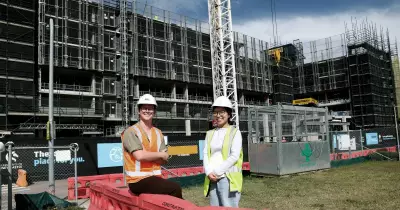
"The parents are as interested in being part of a community ... we've built a community of like-minded families," Mrs Morton explained. Students have visited the school's location within the Flynn community hub to familiarise themselves with the space ahead of the official opening.
Student-Led Design and Therapeutic Support
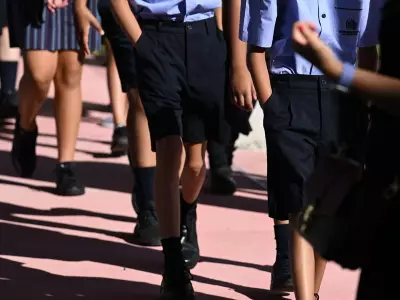
Prospective pupils have played an active role in shaping their future school environment. While there is no official uniform, some students expressed a desire for one and will collaborate on its design during the initial weeks of term. Other ambitious ideas, such as an on-site pool, were tempered by budgetary realities but inspired creative alternatives.
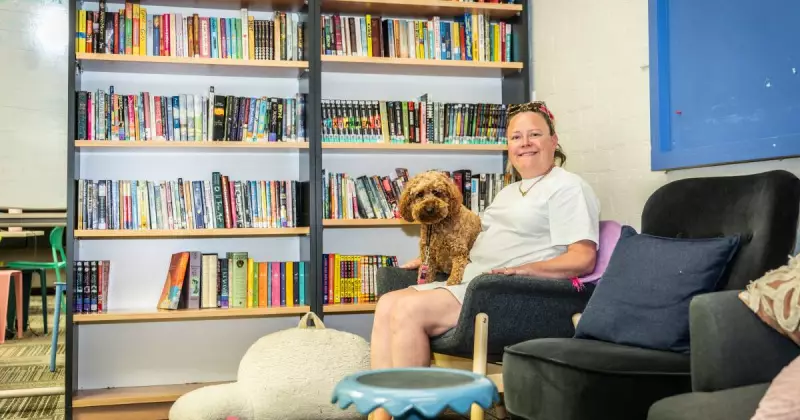
This evolved into plans for a dedicated school bus to facilitate trips to local pools and other excursions, demonstrating the school's commitment to flexible, student-centred solutions. A standout feature of the school's supportive infrastructure will be the inclusion of two therapy dogs, Poppy and Faye.
These canine companions will assist students in emotional regulation and help foster engagement and connection within the school community. "It helps engage with school generally and build a connection," Mrs Morton noted. "You want to come to school because you want to see Poppy, for example."
Staffing and Facilities for Personalised Learning
The school will employ 17 staff members, including Principal Morton. This team comprises classroom teachers, assistant teachers, youth workers, and operations personnel. The physical layout includes four dedicated classrooms alongside various flexible spaces such as a library and games area.
Recognising the diverse needs of its students, the design incorporates two quiet or sensory zones where individuals can take a break from the classroom environment. The student body reflects a broad geographic catchment, with enrolments from across Canberra and nearby New South Wales regions.
The cohort includes a mix of previously homeschooled students, those who attended school part-time or full-time, and young people who had previously avoided formal education. While the building may not yet feel like a traditional school, Mrs Morton expresses keen anticipation for the commencement of classes in early February 2026.
This pioneering educational model in Canberra represents a significant shift towards highly personalised, supportive learning environments for students who benefit from alternatives to mainstream schooling.