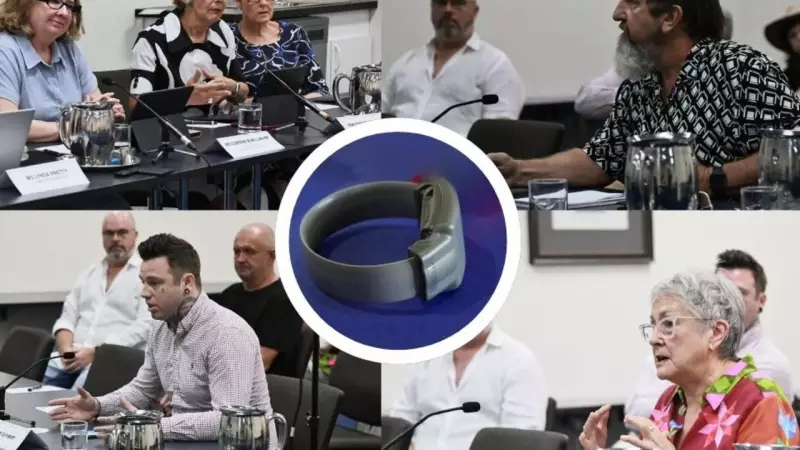
A contentious proposal to introduce ankle monitors for child offenders has ignited a fierce debate within the Cairns community, as revealed during a recent public hearing. The bill, aimed at enhancing public safety and monitoring young offenders, has sharply divided residents, with opinions ranging from strong support to vehement opposition.
Community Voices Clash at Public Hearing
The public hearing, held in Cairns, served as a platform for diverse perspectives on the ankle monitor bill. Proponents argue that the measure is necessary to prevent reoffending and protect the community, citing concerns over rising youth crime rates. They believe that ankle monitors could act as a deterrent and provide authorities with better oversight of at-risk youth.
On the other hand, opponents express deep reservations about the potential negative impacts on children. Critics, including some community leaders and advocacy groups, warn that such monitoring could stigmatise young offenders, hinder their rehabilitation, and disproportionately affect vulnerable or Indigenous youth. They advocate for alternative approaches focused on support and education rather than punitive measures.

Debate Over Youth Justice and Rehabilitation
The division in Cairns reflects broader national conversations about youth justice and the balance between safety and rehabilitation. Supporters of the bill emphasise the need for accountability and public protection, pointing to instances where child offenders have been involved in serious crimes. They argue that ankle monitors could be a tool for ensuring compliance with court orders and reducing recidivism.
Conversely, opponents highlight the importance of addressing the root causes of youth offending, such as poverty, trauma, and lack of opportunities. They contend that punitive measures like ankle monitors may exacerbate these issues, leading to worse outcomes for children and the community in the long run. Some suggest investing in community programs, mental health services, and educational initiatives as more effective solutions.
Implications for Policy and Community Relations
The split in the Cairns community underscores the challenges policymakers face in crafting youth justice legislation. The public hearing has brought to light the emotional and ethical complexities involved, with residents expressing strong feelings on both sides. This debate is likely to influence future discussions and potential amendments to the bill as it progresses through legislative channels.
As the controversy continues, it remains to be seen how the government will navigate these divided opinions. The outcome could set a precedent for how Australia handles youth offending, making this a critical issue not just for Cairns, but for the nation as a whole. The community's engagement in this process highlights the active role citizens play in shaping policies that affect their lives and the well-being of future generations.