State Government to Rule on Future of Historic Mt Lawley Property
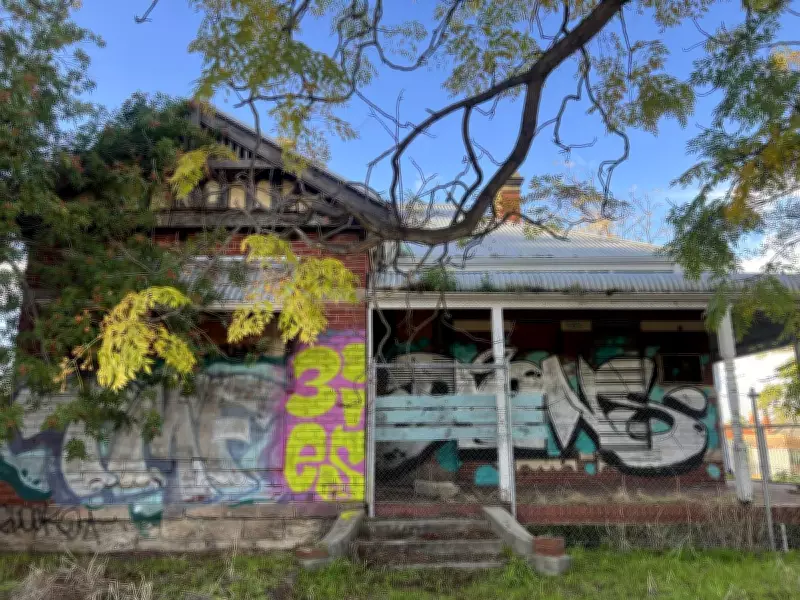
The fate of a 120-year-old heritage-listed home in the Perth suburb of Mt Lawley now rests with the Western Australian state government, as it weighs a development proposal amid a significant push for affordable housing. The decision highlights the ongoing tension between preserving historical architecture and addressing the critical need for more accessible living options in urban areas.
Heritage Versus Housing: A Delicate Balancing Act
This historic property, which has stood for over a century, is at the center of a contentious debate. On one side, heritage advocates argue that the home represents an important piece of local history and architectural heritage that should be protected from demolition or major alteration. On the other side, proponents of the development emphasize the urgent demand for affordable housing in Perth, particularly in well-established suburbs like Mt Lawley.
The state government's upcoming ruling will set a precedent for how similar cases are handled across Western Australia. Officials must consider multiple factors, including the home's historical significance, the specifics of the development plan, and the broader implications for housing policy. This decision comes at a time when housing affordability has become a key issue, with many residents struggling to find suitable and reasonably priced accommodation in metropolitan areas.

Development Proposal Details and Community Impact
The development plan submitted for the Mt Lawley property proposes modifications that could increase housing density on the site, potentially including the addition of new units or apartments. Such changes are often seen as a way to boost the supply of affordable housing by making more efficient use of existing land in prime locations. However, these plans typically require alterations to heritage-listed structures, which can be controversial.
Local residents and heritage groups have expressed concerns about the potential loss of historical character in the neighborhood. Mt Lawley is known for its charming streetscapes and well-preserved homes from the early 20th century, and any development that compromises this aesthetic could face strong opposition. Conversely, housing advocates point out that increasing supply in desirable suburbs can help alleviate pressure on the rental and property markets, making homes more accessible to a wider range of people.
The state government's decision will involve a thorough review of the development application, taking into account expert assessments from heritage consultants, urban planners, and housing authorities. This process underscores the complexity of managing growth in established urban areas, where every development decision must balance competing interests.
Broader Implications for Affordable Housing Initiatives
This case is part of a larger trend in Western Australia, where the government has been actively promoting affordable housing initiatives to combat rising costs and supply shortages. Policies aimed at increasing housing density, streamlining approval processes, and incentivizing development in key areas are all part of this strategy. The outcome of the Mt Lawley decision could influence how these policies are implemented in practice, especially when they intersect with heritage conservation efforts.
If the development is approved, it could signal a shift towards more flexible approaches to heritage preservation, prioritizing housing needs in certain contexts. Alternatively, a rejection might reinforce the importance of protecting historical assets, even at the expense of potential housing gains. Either way, the ruling will have ripple effects beyond Mt Lawley, affecting similar debates in other heritage-rich suburbs across Perth and regional centers.
As the state government deliberates, stakeholders from all sides are watching closely. The decision is expected to be announced in the coming weeks, and it will undoubtedly spark further discussion about the future of urban development in Western Australia. In the meantime, the 120-year-old home remains a symbol of the broader challenges facing cities as they grow and evolve.