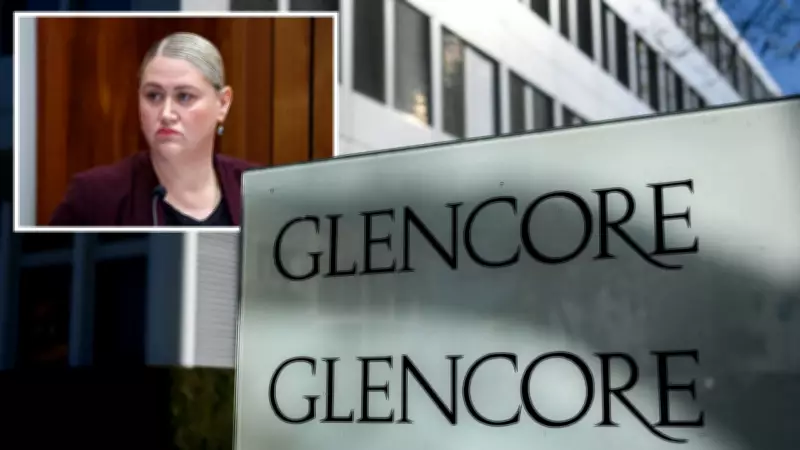
Union Accuses Glencore of Replacing Queensland Workers to Undercut Local Wages
A major union has leveled serious allegations against global mining giant Glencore, accusing the company of systematically replacing Queensland-based workers with lower-paid employees in a bid to undercut local wage standards. This controversy has ignited a fierce dispute over job security and fair compensation within the mining sector, raising concerns about the treatment of Australian workers in an industry crucial to the state's economy.
Allegations of Wage Undercutting and Job Displacement
The union claims that Glencore has engaged in practices that involve displacing established Queensland workers and hiring new employees at reduced pay rates. According to the allegations, this strategy is designed to lower overall labor costs, potentially compromising the livelihoods of local communities that depend on mining jobs. The union argues that such actions not only threaten the financial stability of affected workers but also set a dangerous precedent for wage suppression across the industry.
In response, Glencore has defended its employment practices, stating that the company operates in compliance with all relevant laws and regulations. A spokesperson for Glencore emphasized the firm's commitment to supporting local economies and maintaining high standards for its workforce. However, the union remains skeptical, calling for greater transparency and accountability in how mining companies manage their labor forces in Queensland.

Impact on Local Communities and Industry Standards
The allegations have sparked broader discussions about the impact of corporate practices on regional communities in Queensland. Mining is a significant employer in many areas, and any moves to reduce wages or replace local workers could have far-reaching consequences for economic stability and social well-being. The union has urged policymakers and industry stakeholders to intervene, advocating for stronger protections to ensure that Australian workers are not disadvantaged by cost-cutting measures.
This dispute highlights ongoing tensions between labor rights and corporate profitability in the mining sector. As the situation unfolds, it may prompt calls for regulatory reforms or increased oversight to prevent similar issues in the future. The outcome could influence how other mining companies approach wage negotiations and employment strategies in Queensland and beyond.
Looking Ahead: Potential Resolutions and Industry Implications
Moving forward, the union plans to continue its campaign against what it describes as unfair labor practices, potentially involving legal action or public advocacy to pressure Glencore into changing its approach. Industry experts suggest that this case could serve as a catalyst for broader debates about wage fairness and job security in resource-rich regions like Queensland.
Ultimately, the resolution of this conflict will depend on negotiations between Glencore, the union, and possibly government bodies. It underscores the importance of balancing economic efficiency with ethical employment standards, ensuring that the benefits of mining activities are shared equitably among workers and communities. As this story develops, it will be closely watched by those invested in the future of Australia's mining industry and labor market.