Christchurch's Remarkable Rebirth: A City Transformed by Resilience and Innovation
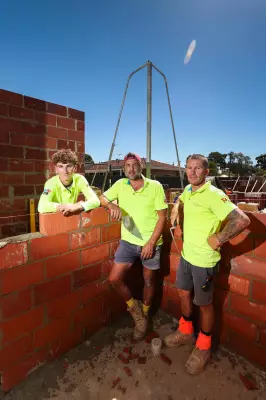
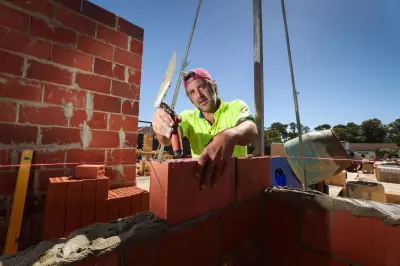
Rebuilding the New Zealand city of Christchurch following the catastrophic earthquakes of 2010 and 2011 has been a gradual yet inspiring journey. The redevelopment process, which notably included the Share an Idea initiative that gathered over 100,000 public suggestions, is crafting an attractive, walkable, and highly liveable urban environment. Moreover, Christchurch now stands as a city prepared for future seismic events, with its once-stunning Victorian Gothic centre replaced by low-rise structures utilising innovative construction materials and methods designed to withstand earthquakes up to magnitude 8.5.
The Devastating Earthquakes and Their Lasting Impact
The seismic events that reshaped Christchurch began with a magnitude 7.1 earthquake on September 4, 2010, causing widespread damage but fortunately no fatalities. However, the more devastating magnitude 6.3 earthquake on February 22, 2011, due to its shallow depth and proximity to the central business district, resulted in 185 deaths and over 6,000 major injuries. The city's infrastructure and buildings suffered extensive destruction, with more than 10,000 homes requiring reconstruction and 204 of the city's 588 heritage-listed buildings lost forever.
Over a decade later, many scars from the earthquakes remain visible. From the ruins of the iconic cathedral to numerous barren parking lots where buildings once stood, and other structures still awaiting demolition, the devastation is palpable around every corner. The most poignant reminder is Christ Church Cathedral, which has been fenced off and appears forlorn. Its tower and spire collapsed during the 2011 earthquake, followed by the west elevation and the beautiful Rose Window. Dating back to 1864, with construction starting in the 1870s, the cathedral had previously endured damage from earthquakes in the 1880s and 1901.

The fate of the cathedral has been uncertain, initially slated for demolition but saved by public outcry. In 2024, funding shortfalls halted rebuild efforts, but a new plan unveiled in September aims to reopen it in stages. The first phase will restore the tower, nave areas, and the western wall, including the Rose Window—areas that first opened to the public in 1881. Construction is set to begin this year, with an estimated opening as early as the end of 2030.
Memorials and Educational Sites
The Canterbury Earthquake National Memorial, located along the banks of the Avon River, is a beautiful yet sombre tribute, engraved with the names of every life lost. A more personal reminder can be found at the site of the former CTV building, which collapsed during the 2011 earthquake, resulting in 115 deaths. This site features a landscaped garden designed according to the wishes of bereaved families, adorned with mementos such as flowers, pictures, and personal items.
For those seeking to learn more about Christchurch's seismic history, Quake City is an essential visit. This exhibition provides information on the science behind earthquakes and interactive displays detailing the city's latest quakes, including firsthand accounts from survivors and rescuers.
Exploring the Revitalised City
Christchurch has emerged as a highly walkable city, and while strolling its streets, visitors are encouraged to look up and admire the stunning street art that has flourished since the earthquakes, serving as a powerful symbol of beauty emerging from devastation.
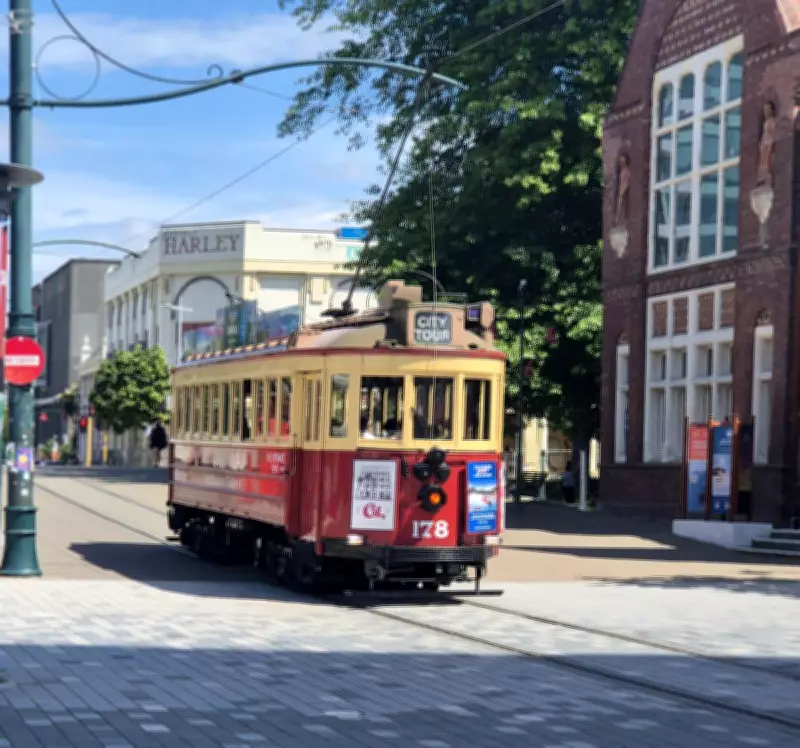
For a convenient way to navigate and gain local insights, the Christchurch Tram service offers a unique hop-on, hop-off experience. Comprising eight beautifully restored trams that stop at 18 locations throughout the city, each ride includes live commentary from drivers, adding a personal touch. The service also features a daily Tramway Restaurant that travels through the inner city while serving dinner. Key stops include Cathedral Square, Riverside Market, the High Street shopping district, Worcester Bridge and the River Avon, the art gallery, arts centres in historic Canterbury College buildings, the Botanic Gardens, Hagley Park, Quake City, Victoria Square, and the vibrant New Regent Street with its array of restaurants and bars.

A leisurely wander through the beautiful Botanic Gardens or a walk, kayak, or punt along the Avon River—named after the Avon Water in Ayrshire, Scotland, home of early European settlers—provides a pleasant afternoon activity. For panoramic views of the city, Lyttelton Harbour, and the Pacific Ocean, visitors can take the Gondola Shuttle from Cathedral Square for a 52-metre gondola trip to the summit of Mount Cavendish.
Culinary Delights and Unique Attractions
The city boasts a diverse range of food and drink options. A lunch stop at Riverside Market is a must, offering every cuisine imaginable. For a sweet treat, Duck Island ice cream is highly popular, with flavours like Fairy Bread, Toasted Marshmallow, Toast and Jam, and Strawberry Condensed Milk. To end a day of sightseeing, a Bramble gin cocktail at Gin Gin on the colourful New Regent Street is a delightful choice.
If time permits before a flight, the International Antarctic Centre, located next to Christchurch Airport, is an engaging and interactive destination. As one of five gateway cities to Antarctica worldwide, the centre features experiences such as an indoor Antarctic storm, opportunities to see little blue penguins and huskies, a 4D theatre, and a ride on a Hagglunds all-terrain amphibious Antarctic vehicle.
Christchurch's transformation from earthquake devastation to a resilient, innovative, and vibrant city is a testament to community spirit and forward-thinking urban planning. Its blend of memorials, educational sites, walkable streets, and attractions makes it a compelling destination for travellers seeking inspiration and renewal.