Perth's Inner-City Rail Network Could Undergo Major Transformation
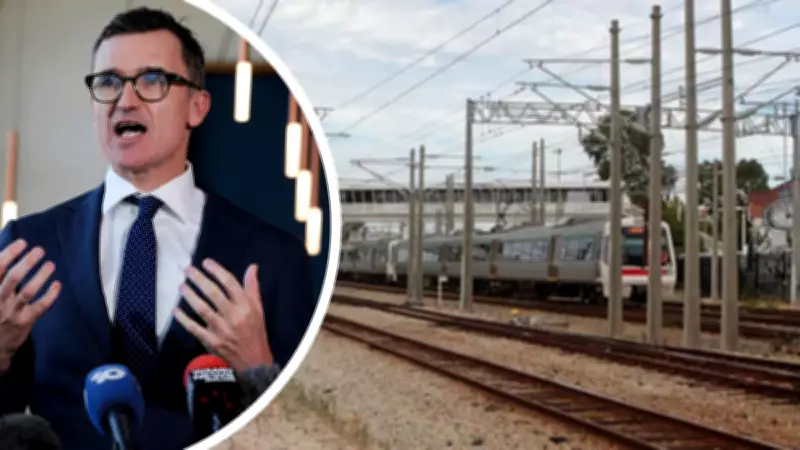
The City of Perth is considering a significant overhaul of the inner-city rail network, with a proposal to replace two long-standing CBD train stations with a single, modern transit hub. City councillors are set to vote on Tuesday on a bold plan that includes merging McIver and Claisebrook stations, as council staff argue the current infrastructure is incompatible with the surge of high-density apartment towers emerging across the city's eastern fringe.
Council Documents Highlight Infrastructure Challenges
According to council documents, the proximity of McIver and Claisebrook stations, located approximately 630 metres apart, is a relic of the past that now hinders urban flow and modern accessibility. The documents state that both stations suffer from physical severance, poor accessibility, and limited integration with their surrounding areas, including key facilities like Royal Perth Hospital, Wellington Square, Royal Street town centre, and the Swan River.
The council believes this duplication of infrastructure is unnecessary and limits effective urban connectivity. The long-term vision is to consolidate the stations to deliver a contemporary, accessible train station that reconnects users to their immediate surroundings, embedding public transport more deeply into the neighbourhood.

Opposition from Public Transport Authority
However, the proposal faces immediate opposition from the Public Transport Authority of Western Australia. A spokesperson for the PTA told The Sunday Times that there are no plans to remove McIver or Claisebrook stations, adding that the authority had not been contacted by the City of Perth regarding this proposal. The spokesperson emphasized that both stations provide essential connections to key facilities, including Royal Perth Hospital and North Metropolitan TAFE, with McIver Station expected to become even more important due to the redevelopment of Royal Perth Hospital.
The PTA noted that a proposal to replace the stations with a new central station was assessed in 2020 and found to be unfeasible due to the loss of vital links and the major disruption it would cause to the rail network.
Broader Context of Urban Development
In November last year, Planning Minister John Carey identified Claisebrook as one of 10 key precincts earmarked for rapid residential growth in Perth, alongside areas like Cottesloe, Mosman Park, and Ballajura. The State Government believes these precincts have the capacity for an additional 35,000 homes, with more areas to be declared in the future.
New development guidelines and rules for these precincts will not be set by local councils; instead, the WA Planning Commission will set the guidelines and act as the arbitrator for future developments, including high-rise apartment complexes. At the time of the announcement, Mr. Carey stated that these precincts were chosen based on where the private market is likely to deliver medium to high-density dwellings or where infrastructure can support additional residents, aligning with the government's focus on cutting red tape and utilizing government-owned land near train stations.
The Cook Government has long promoted train station precincts, including new ones created as part of Metronet, as ideal locations for high-density living, highlighting the ongoing tension between urban development goals and existing public transport infrastructure.