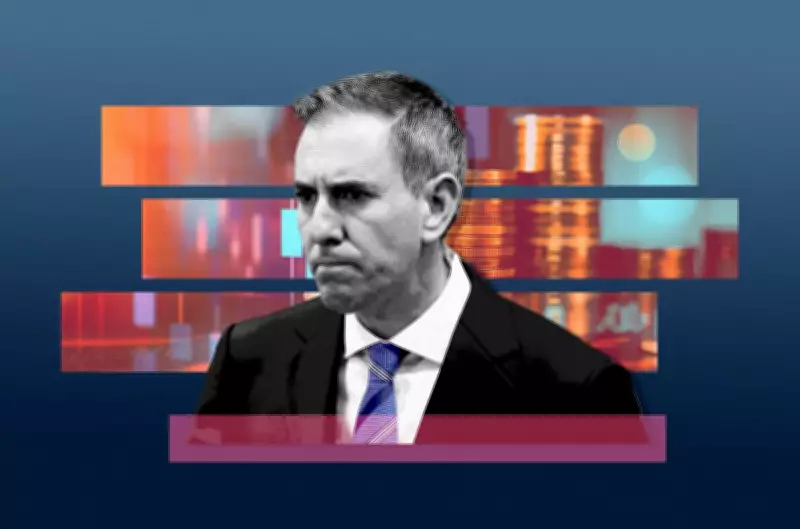
Treasurer Jim Chalmers has fundamentally altered the investment landscape for middle Australia in the 2026 Federal Budget, introducing measures designed to reshape how ordinary Australians grow their wealth. The budget, handed down on Tuesday, focuses on shifting the investment equation to favour long-term, sustainable growth over short-term gains.
Key Changes for Investors
The centrepiece of the budget is a new tax incentive for middle-income earners who invest in Australian equities and green bonds. Under the plan, individuals earning between $45,000 and $120,000 will receive a 15% tax offset on capital gains from investments held for more than three years, capped at $5,000 per year. This aims to encourage patient capital and reduce the allure of speculative trading.
Additionally, the government is expanding the Superannuation Guarantee to 12.5% from July 2026, ahead of schedule. This will boost retirement savings for millions of workers. For those already retired, the Age Pension assets test will be adjusted to allow higher levels of superannuation savings without penalty.

Housing Market Interventions
In a bid to address housing affordability, the budget introduces a new shared equity scheme called "Home Future." This program allows first-home buyers to partner with the government to purchase a home, with the government taking an equity stake of up to 25%. The scheme is means-tested and targets households earning under $100,000. It is expected to assist 50,000 families over the next four years.
For property investors, the capital gains tax discount will be reduced from 50% to 40% for assets held longer than 12 months, with the discount further reduced to 25% for properties held for less than five years. This is intended to discourage short-term flipping while still rewarding long-term investment.
Support for Small Business and Startups
Small businesses are not left out. The instant asset write-off threshold will be permanently increased to $30,000, up from $20,000. This allows businesses to immediately deduct the full cost of eligible assets, reducing their tax burden and encouraging investment in equipment and technology.
For startups, a new "Innovation Investment Allowance" provides a 20% tax rebate on eligible research and development expenditure, capped at $200,000 per year. This is designed to foster innovation and create high-skilled jobs.
Environmental and Social Initiatives
The budget also includes significant funding for renewable energy projects. A $20 billion "Green Future Fund" will be established to invest in large-scale solar, wind, and battery storage projects. This fund is expected to leverage private investment and accelerate Australia's transition to net-zero emissions by 2050.
On the social front, the government is increasing funding for mental health services by $1.5 billion over four years, with a focus on youth and rural communities. Additionally, the Medicare levy low-income threshold will be raised, providing tax relief for low-income earners.
Economic Outlook
Treasurer Chalmers described the budget as "responsible and forward-looking," aiming to balance fiscal discipline with necessary investments. The budget forecasts a return to surplus by 2027-28, driven by stronger-than-expected commodity prices and employment growth. However, the government has warned of global economic uncertainties, including inflation pressures and geopolitical tensions.
The opposition has criticised the budget as "more of the same," arguing that the changes do not go far enough to address cost-of-living pressures. Shadow Treasurer Jane Hume said the budget lacks immediate relief for families struggling with high electricity prices and mortgage costs.
Despite the criticism, the budget's focus on shifting the investment equation for middle Australia is seen as a bold move to reshape the nation's economic future. By incentivising long-term investment, supporting home ownership, and funding green energy, the government hopes to build a more resilient and equitable economy.