Queensland farmers are expressing deep concern and confusion as a new federal environmental law threatens to create significant delays and impose heavy financial burdens on their operations. The legislation, which establishes Environment Protection Australia (EPA) as a new independent regulator, has left primary producers in a state of uncertainty regarding future land management and development projects.
Uncertainty Grips the Agricultural Sector
The core of the issue lies in the transition to the new regulatory framework. Farmers and industry advocates report a severe lack of clarity on how the law will be implemented, particularly for projects currently in the planning pipeline. There is a widespread fear that applications for essential agricultural works could be stuck in bureaucratic limbo for years.
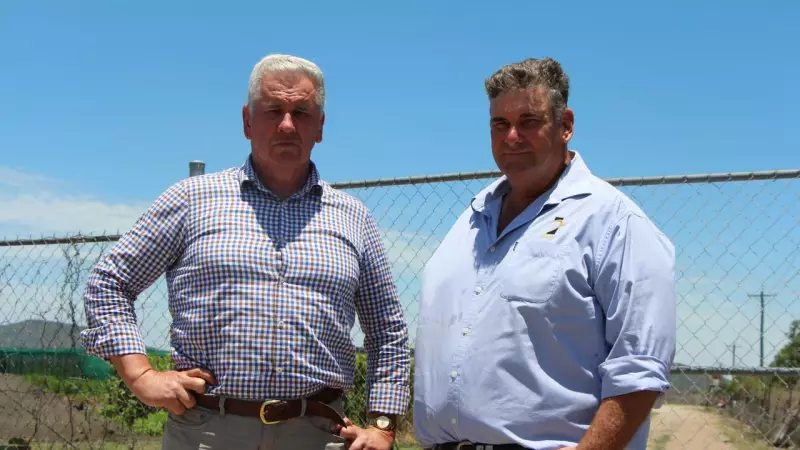
AgForce Queensland CEO, Michael Guerin, has been vocal about the potential consequences. He warns that the ambiguity surrounding the Environment Protection Australia legislation could effectively halt sensible and necessary development across the state's farming regions. This paralysis stems from uncertainty over whether projects will be assessed under the old rules or the new ones, a distinction that carries major implications for approval timelines and costs.

"The problem is the transition," Guerin stated, highlighting the anxiety felt by producers who have invested time and resources into development plans, only to face an unpredictable regulatory future.
Mounting Fears Over Costs and Delays
The financial implications of the new law are a primary concern for the agricultural community. Farmers fear that the expanded scope and powers of the federal EPA will lead to more complex approval processes, resulting in lengthy delays and exorbitant consultancy fees. The cost of navigating the new system is predicted to skyrocket, placing an unsustainable burden on family farms and agricultural businesses.
This situation is not just about red tape; it has real-world impacts on farm viability and regional economies. Delays in approvals for infrastructure, land clearing for pasture improvement, or water management projects can directly affect productivity and the ability of farmers to respond to market opportunities or climatic conditions.
The sentiment on the ground is one of frustration, with many farmers feeling that the federal government has rolled out a significant policy change without providing the necessary guidance or assurance to those who will be most affected by it.
A Call for Clarity and Consultation
Industry groups like AgForce are urgently calling for the federal government to provide immediate and clear details on the operational mechanics of the Environment Protection Australia regulator. They stress that without concrete information on transition arrangements, assessment pathways, and timeframes, the agricultural sector cannot plan for the future.
The overarching demand is for genuine consultation and a cooperative approach to implementation. Farmers are seeking a regulatory system that balances environmental protection with the practical needs of food and fibre production. The current atmosphere of confusion, they argue, benefits neither environmental outcomes nor agricultural sustainability.
As the clock ticks on the new law's introduction, Queensland's farmers remain in a holding pattern, awaiting answers that will determine the cost and complexity of their operations for years to come. The resolution of this uncertainty is critical for the stability of one of the state's most vital industries.