Trump's Hardline Stance on Iran Signals Major Shift in US Strategy
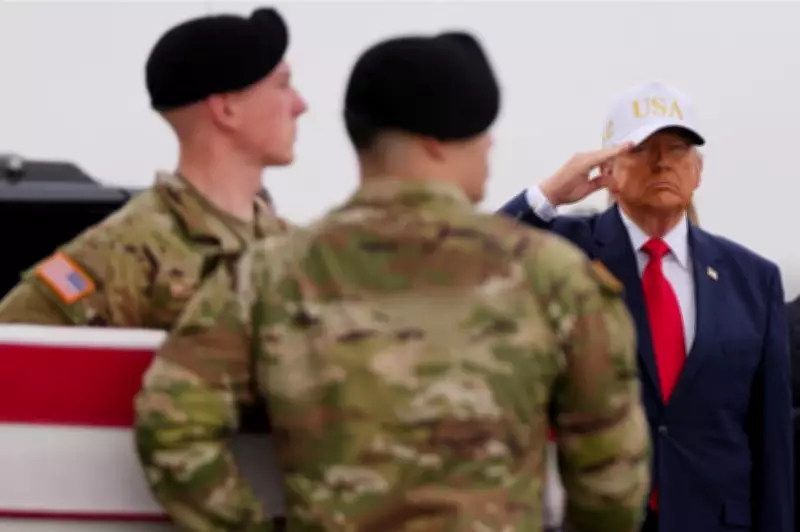
In a recent statement, former US President Donald Trump has articulated a robust and uncompromising strategy towards Iran, marking a significant departure from previous diplomatic efforts. This approach underscores a renewed focus on military deterrence and stringent economic measures to address Iran's nuclear ambitions and its expanding influence in the Middle East.
Military Posturing and Economic Pressure
Trump emphasized the necessity of maintaining a strong military presence in the region as a deterrent against potential aggression from Iran. He argued that a show of force is essential to prevent Tehran from advancing its nuclear program, which he described as a grave threat to global security. Additionally, Trump called for the intensification of economic sanctions, aiming to cripple Iran's economy and curb its ability to fund proxy groups across the Middle East.
This dual strategy of military readiness and economic isolation reflects Trump's long-standing skepticism of multilateral agreements, such as the Iran nuclear deal, which he withdrew from during his presidency. He asserted that only through maximum pressure can the US effectively negotiate from a position of strength and secure concessions from the Iranian regime.

Regional Implications and Global Reactions
The announcement has sparked varied reactions from international stakeholders. Allies in the region, including Israel and Saudi Arabia, have expressed support for Trump's tough stance, viewing it as a necessary counterbalance to Iran's regional ambitions. However, European nations and other global powers have raised concerns about the potential for escalating tensions and destabilizing an already volatile area.
Critics argue that this approach could undermine diplomatic channels and lead to increased conflict, while proponents believe it is the only way to ensure Iran complies with international norms. The strategy also raises questions about the future of US-Iran relations, with implications for energy markets and geopolitical stability worldwide.
Looking Ahead: Challenges and Opportunities
As Trump outlines this new direction, several challenges emerge. Implementing such a strategy requires coordination with international partners and careful management of regional dynamics to avoid unintended consequences. Moreover, the effectiveness of sanctions and military posturing in achieving long-term goals remains uncertain, given Iran's resilience and strategic depth.
Despite these hurdles, Trump's plan highlights a broader shift in US foreign policy towards a more assertive and unilateral stance. This could reshape alliances and rivalries in the Middle East, influencing everything from oil prices to counterterrorism efforts. As the situation evolves, stakeholders will closely monitor developments, assessing the impact on global security and economic interests.